Which beer is best in India? There is no single answer because the right beer depends on what you enjoy. A crisp lager suits those who prefer a clean, light-bodied profile, while wheat beer offers a softer texture and aromatic notes. Amber ale brings toasted malt and caramel flavours, and stronger beers may offer a more pronounced character.
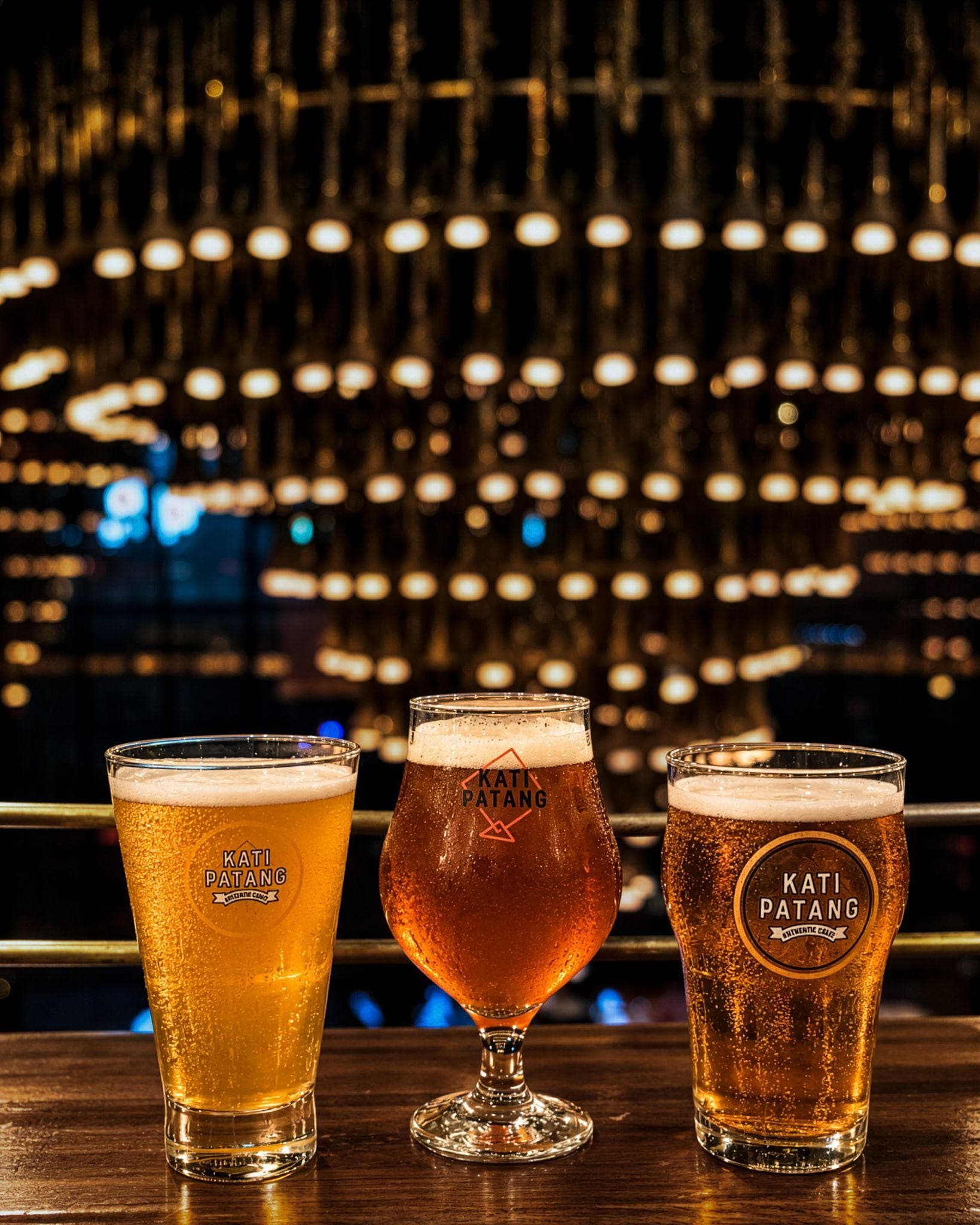
With growing interest in craft beer, Indian beer enthusiasts have more styles to understand and compare. Kati Patang adds a distinctive Indian touch to familiar recipes through ingredients such as Kashmiri saffron and aromatic spices.
If you're searching for the best beer in India, understanding flavour, body and bitterness is a better starting point than choosing by popularity alone.
What Makes a Beer the Best for Your Taste?
A good beer is not necessarily the strongest, most expensive or most complicated. Quality comes from balanced ingredients, appropriate brewing techniques and a flavour profile that matches its intended style.
Four characteristics can help you understand the differences:
- Flavour: Malt, hops, yeast and additional ingredients determine whether a beer tastes crisp, citrusy, spicy, bitter or caramel-like.
- Body: This describes how light, smooth or full a beer feels in your mouth. Body is influenced by ingredients and the brewing process.
- Bitterness: Hops contribute bitterness, which can balance malt sweetness. Some beers have a subtle hop character, while others are noticeably bitter.
- Aroma: Floral, fruity, herbal and roasted notes can shape the overall tasting experience.
Freshness, fermentation quality and proper storage also matter. Even a carefully brewed beer can lose its intended character when stored poorly.
The best tasting beer in India is therefore a matter of personal preference supported by good brewing standards, not simply a particular label or alcohol percentage.
Which Beer Is Best in India?
The easiest way to answer this question is to compare beer styles rather than brands. Different beer styles in India offer distinct combinations of flavour, aroma, texture and alcohol strength.
Crisp and Light-Bodied Lagers
Lagers are known for their clean, refreshing character and relatively restrained fermentation aromas. They are generally fermented using lager yeast at cooler temperatures, creating a smooth profile that allows malt and hops to remain balanced.
A well-crafted lager often features:
- A clean, crisp finish
- Light to medium body
- Gentle malt sweetness
- Low to moderate bitterness, depending on the style
For people who prefer subtle flavours rather than pronounced spice or roasted malt, a light-bodied lager may be a suitable choice.
Aromatic and Refreshing Wheat Beers
Wheat beers use a significant proportion of wheat alongside other brewing grains. They often have a softer mouthfeel and can develop citrus, spice, clove or fruity notes, depending on the yeast and recipe.
Some wheat beers are cloudy because of suspended yeast and proteins, while others are clearer.
Their distinguishing feature is not necessarily sweetness. Instead, wheat contributes texture, while fermentation and additional ingredients create aromatic complexity.
For those wondering which beer tastes best when citrus and gentle spice are preferred, wheat beer is one style worth understanding.
Malt-Forward Amber Ales
Amber ales offer a different experience from crisp lagers and aromatic wheat beers.
Their colour and character come largely from the selection of malts. Depending on the recipe, an amber ale can feature toasted grain, caramel, biscuit-like notes and moderate hop bitterness.
A balanced amber ale typically offers:
- A medium-bodied texture
- Toasted or caramel malt flavours
- Complementary hop bitterness
- A smoother, malt-led finish
This style can appeal to people who prefer richer malt flavours without moving towards heavily roasted dark beers.
Stronger Beers With a Richer Body
Strong beers generally contain more alcohol by volume (ABV) than standard-strength alternatives, but higher alcohol does not automatically create a fuller body.
Some strong beers are relatively light in texture, while others contain more residual sugars and a richer malt profile.
When comparing strong beer, consider alcohol content, malt sweetness, bitterness and overall balance separately.
A beer's quality should be judged by how well these elements work together, rather than by alcohol strength alone.
How to Choose Beer by Flavour, Body and Bitterness
Choosing among different beers becomes easier when you know which characteristics matter most to you.
The table below compares common beer styles without relying on brand popularity or subjective rankings.
| Beer Style | Flavour Profile | Typical Body | Bitterness |
|---|---|---|---|
| Lager | Crisp, clean, lightly malty | Light to medium | Low to moderate |
| Wheat Beer | Soft, citrusy, sometimes spicy | Light to medium | Usually low |
| Amber Ale | Caramel, toasted malt | Medium | Moderate |
| IPA | Fruity, floral, hop-forward | Light to full | Varies, often pronounced |
| Stout | Roasted malt, coffee or cocoa | Medium to full | Varies |
A simple way to compare styles:
- Prefer subtle flavours? Look at clean, crisp lagers.
- Interested in citrus or spice? Understand the characteristics of wheat beers.
- Like caramel or toasted grain? Amber ales offer a malt-focused profile.
- Prefer pronounced hop aromas? Explore the differences between IPA styles.
It also helps to understand two terms on beer labels. ABV (Alcohol by Volume) indicates alcohol strength, while IBU (International Bitterness Units) measures certain bitterness compounds. Neither number can tell you whether a beer will taste better.
These distinctions are particularly useful when comparing options described as the best craft beer in India, because craft beers can differ considerably in their recipes and brewing approaches.
Find Your Preferred Style in Kati Patang's Beer Range
Kati Patang brings Indian ingredients into recognisable beer styles, creating different flavour profiles across its range.
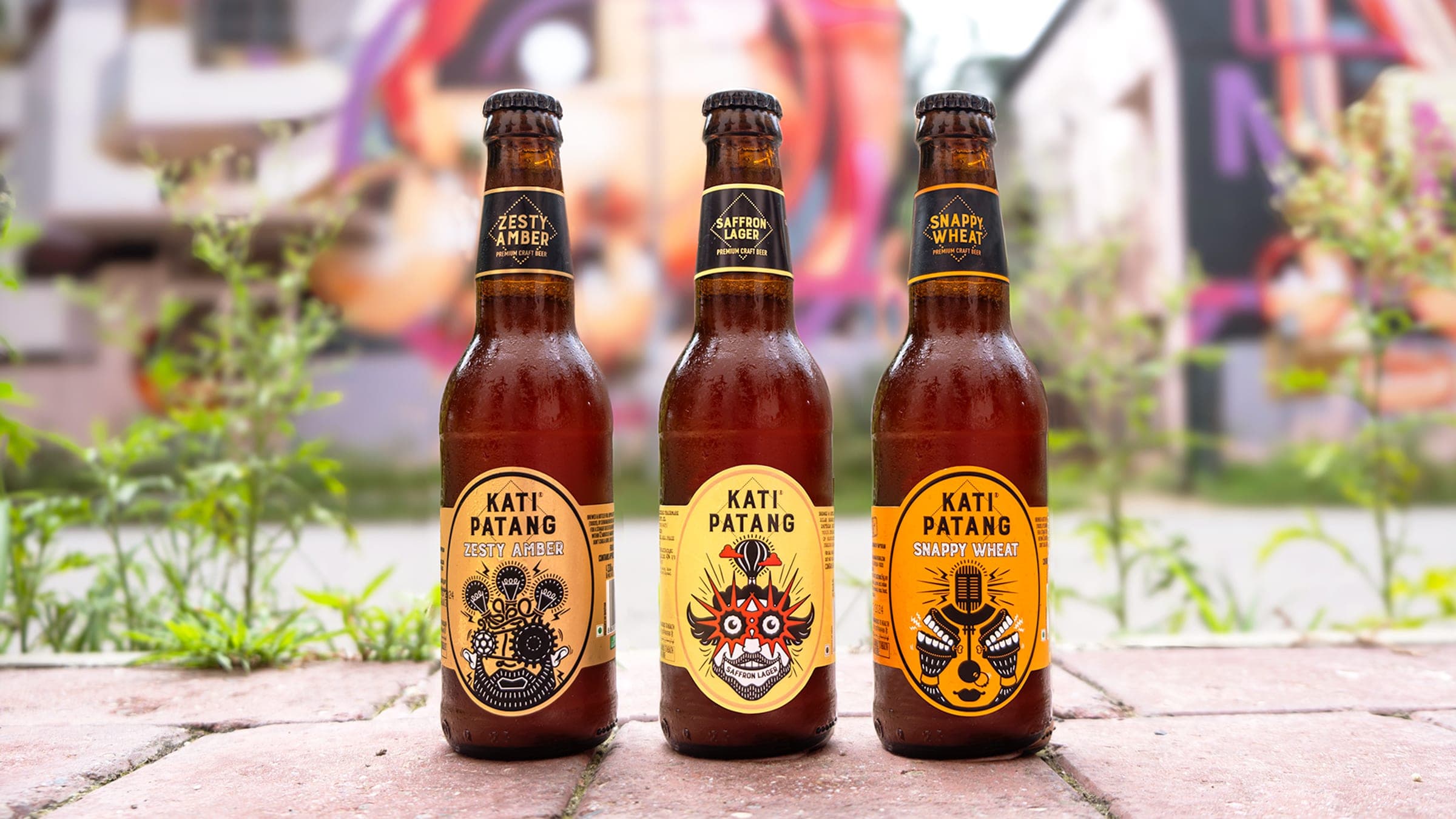
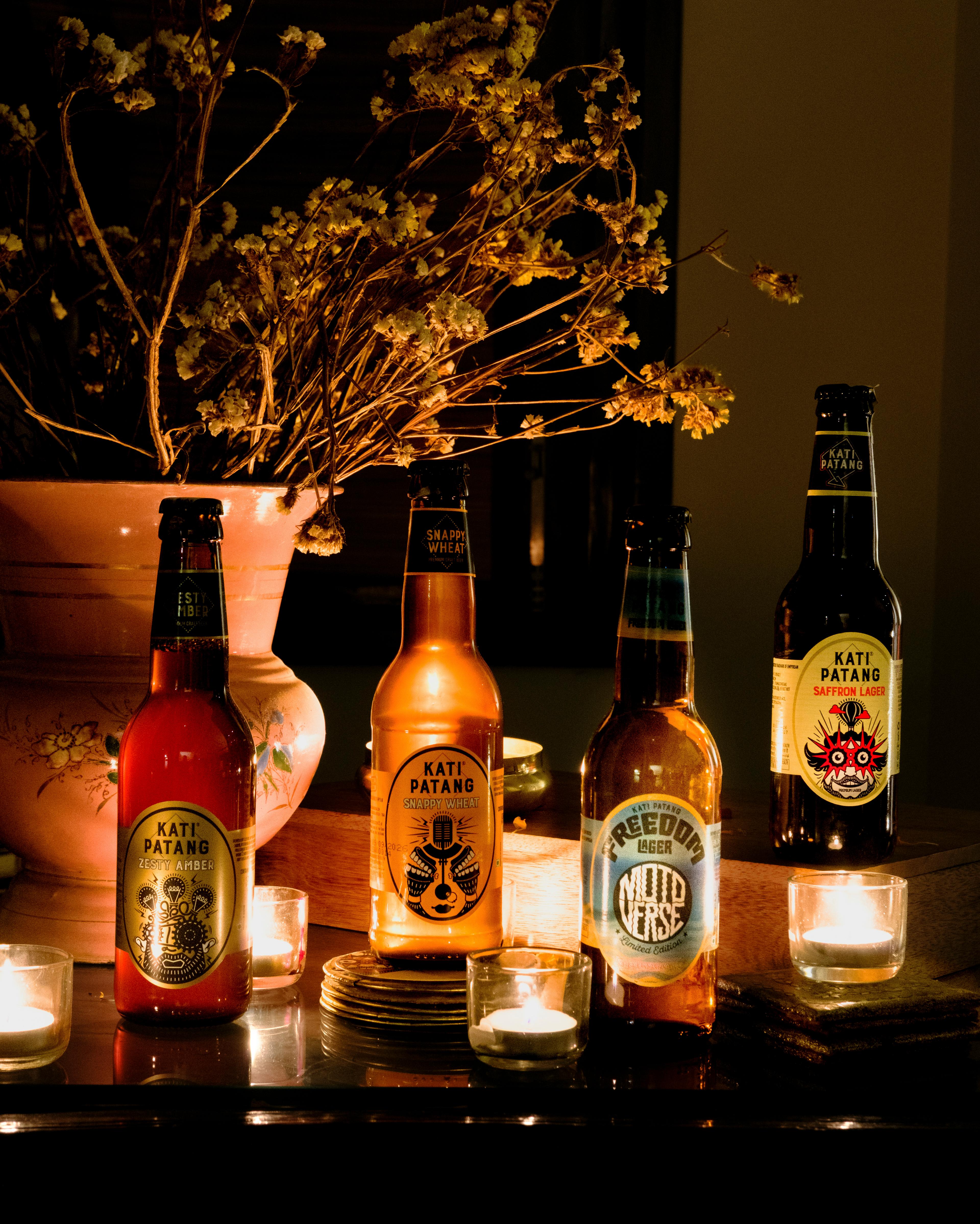
Saffron Lager, Snappy Wheat and Zesty Amber demonstrate how changes in malt character, aromatic ingredients and brewing style influence the final beer.
Saffron Lager for a Crisp, Delicate Profile
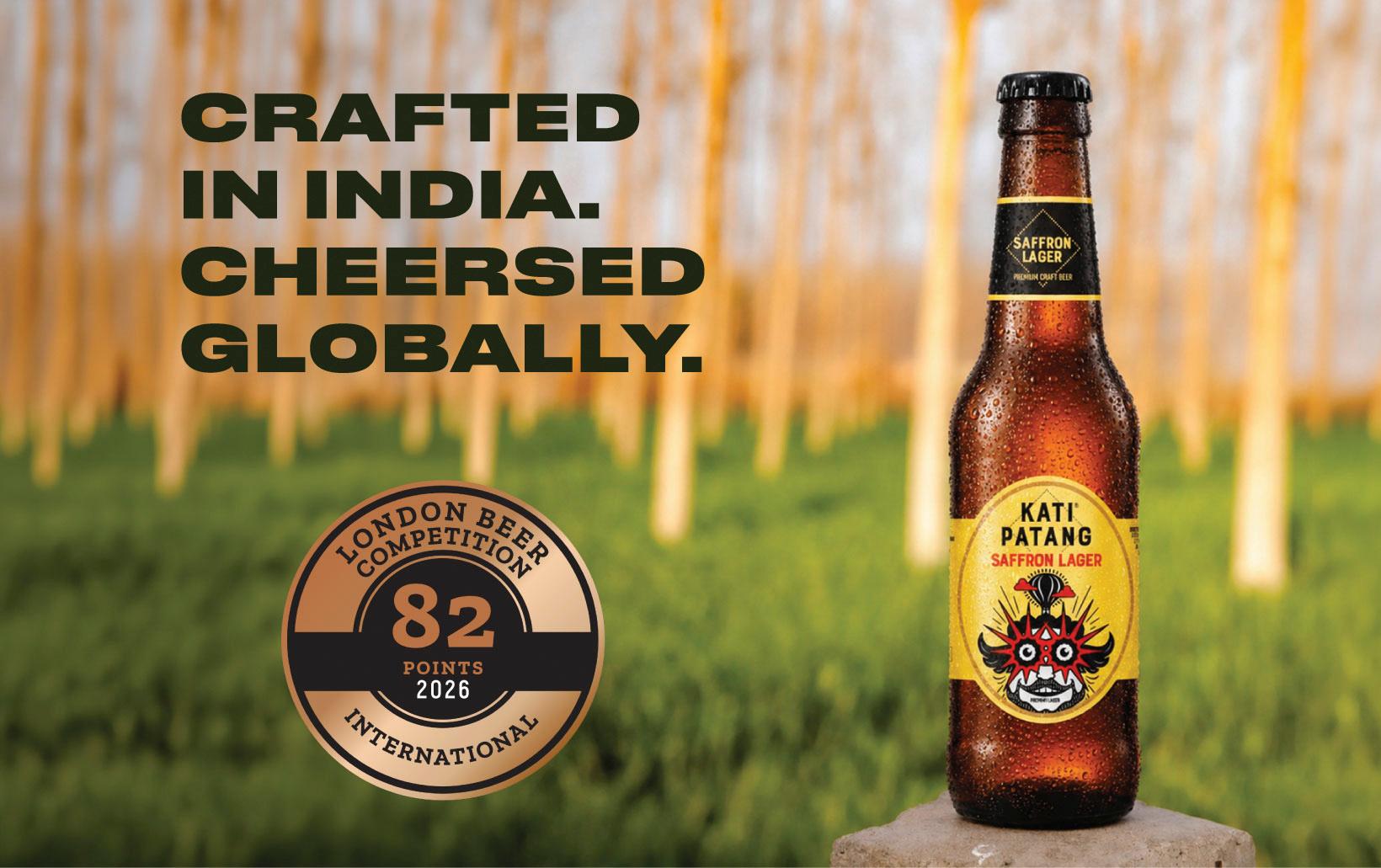
Kati Patang's Saffron Lager combines the clean character of a speciality lager with saffron sourced from Kashmir.
The saffron provides a subtle floral dimension while allowing the beer's crisp foundation to remain noticeable. Its light body and restrained flavour profile make it distinct from heavily spiced or malt-forward styles.
Beer profile:
- Style: Speciality Lager
- ABV: 4.6%
- Colour: Straw
- Key ingredient: Kashmiri saffron
- Taste: Light-bodied, clean and crisp
Snappy Wheat for Spice and Citrus Notes
Snappy Wheat takes a more aromatic approach.
This Indian wheat ale combines its crisp wheat character with lemon-rind notes and a blend of peppercorn, turmeric, coriander and ginger.
The ingredients add citrus and spice without removing the underlying characteristics of the wheat beer.
Beer profile:
- Style: Indian Wheat Ale
- ABV: 5%
- Colour: Pale Gold
- Key ingredients: Peppercorn, turmeric, coriander and ginger
- Taste: Citrusy, gently spicy and refreshing
Zesty Amber for Roasted Malt Notes
Zesty Amber focuses on malt character rather than delicate floral or pronounced citrus-spice notes.
This American amber ale uses all-natural malts and aromatic hops to create a richer flavour, with a smooth caramel finish.
Its malt-forward profile provides a useful contrast to the lighter character of Saffron Lager and the aromatic ingredients of Snappy Wheat.
Beer profile:
- Style: American Amber Ale
- ABV: 5%
- Colour: Amber Gold
- Key characteristics: Malt and aromatic hops
- Taste: Toasted malt with a caramel finish
These three beers show how different ingredients and brewing techniques create distinct experiences without requiring one style to be labelled the universal best.
Does Higher Alcohol Content Mean Better Beer?
No. Higher alcohol content does not automatically mean better flavour or brewing quality.
A 4.6% ABV lager can be carefully balanced, just as a 5% wheat beer can offer considerable aromatic complexity. Stronger beers are not necessarily richer, smoother or more flavourful.
Beer quality depends on several factors:
- Ingredient balance: Malt, hops and yeast should complement the intended style.
- Fermentation: Appropriate yeast activity helps produce the desired flavour.
- Consistency: A well-managed brewing process maintains quality across batches.
- Style accuracy: Each beer should deliver the characteristics expected from its recipe.
Ultimately, the better question is not which beer has the highest ABV, but which beer style offers the flavour characteristics you appreciate.
Kati Patang's range illustrates these distinctions through three different approaches: crisp lager, aromatic wheat ale and malt-forward amber ale.
Curious about what makes each style different?
Explore Kati Patang's Beer Styles to learn more about the ingredients, brewing styles and flavour profiles behind Saffron Lager, Snappy Wheat and Zesty Amber.
For adults of legal drinking age. Always follow local regulations and consume alcohol responsibly.