There’s something slightly strange about the way we talk about beer.
For years, beer in India was mostly about cold, familiar, dependable. You opened a bottle, poured it into a glass, watched the bubbles disappear and got on with your evening. Nothing wrong with that. Sometimes a cold lager is exactly what the doctor ordered.
But somewhere along the way, things got a little more interesting.
Much like the music scene, Indian beer started getting louder, stranger and more experimental. Small breweries began playing around with different styles, ingredients and brewing techniques. People started talking about hops and malt. Wheat beers became a thing. Then came IPAs, stouts, amber ales and beers flavoured with ingredients that probably wouldn't have made it onto a beer label ten years ago.
Suddenly, there was more to beer than "light" or "strong."
And if you're someone who likes discovering music that isn't playing on every radio station, there's something oddly familiar about that.
The Underground Doesn't Stay Underground Forever
Every good scene starts with a handful of people doing something because they genuinely like it.
That's more or less how craft beer found its footing in India.
Breweries began experimenting with styles that weren't necessarily designed to appeal to everyone. Some beers were bitter. Some were dark. Some were cloudy. Some tasted like nothing you'd previously associated with beer.
And, slowly, people started paying attention.
The craft beer movement didn't just give drinkers more options. It changed the way people thought about beer. Suddenly, a beer could have a personality.
Much like music, you could have a favourite.
You could argue about it.
You could discover something obscure and insist that everyone else needed to try it.
That is, in many ways, the fun of it.
India Has Always Had Good Ingredients. We Just Didn't Put Them in Beer.
The interesting part about Indian craft beer isn't simply that breweries are making international beer styles here.
It's what happens when those styles collide with the place they're being brewed in.
India has an almost ridiculous amount of flavour lying around. Saffron from Kashmir. Coriander. Pepper. Turmeric. Citrus. Spices, herbs and botanicals that have been part of Indian cooking for centuries.
So why shouldn't they make their way into beer?
That's an idea we've found particularly interesting at Kati Patang.
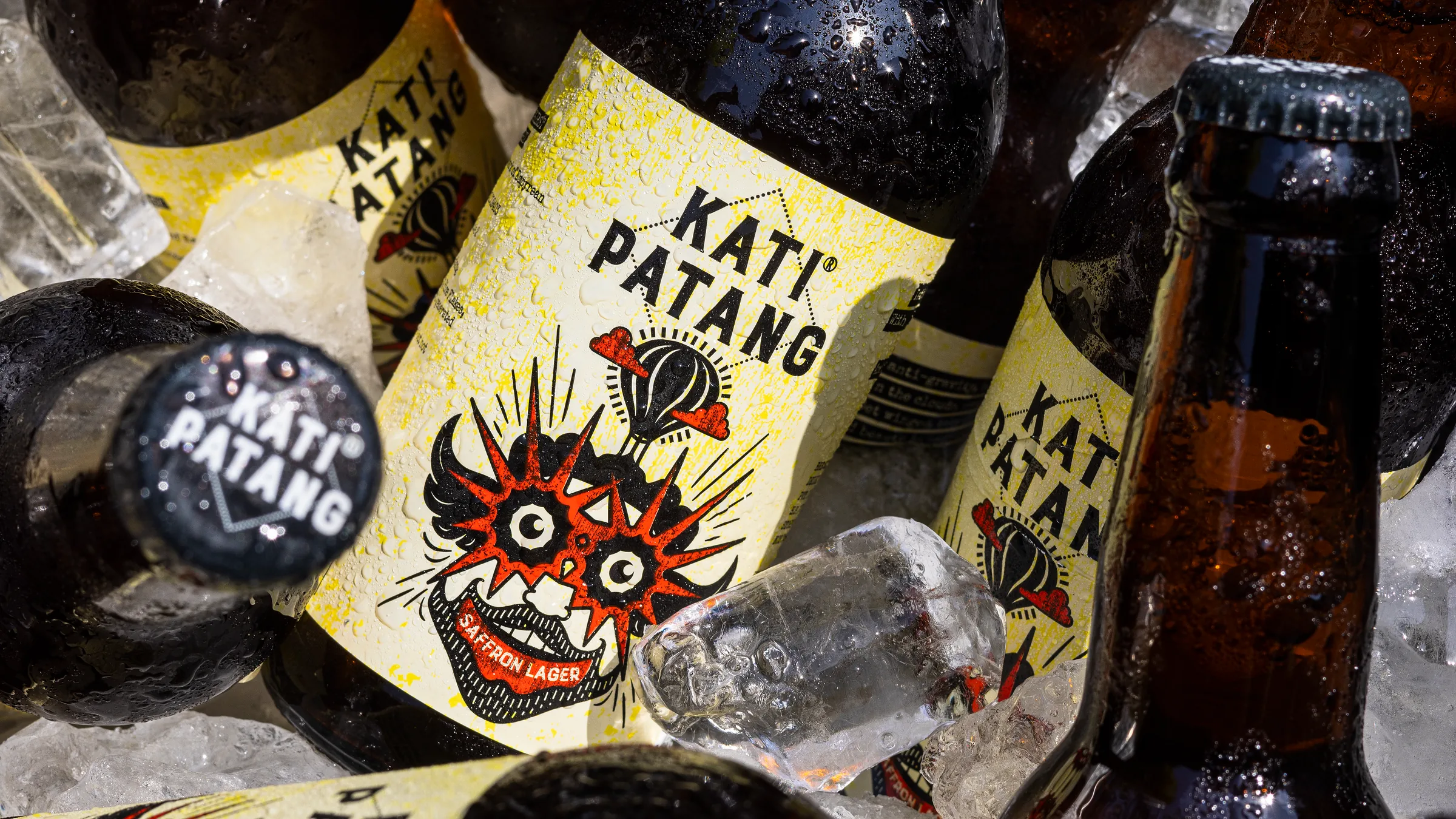
Saffron Lager is probably the easiest example. It's still a lager at heart — crisp, clean and refreshing — but the saffron sourced from Pampore in Kashmir gives it a subtle floral character that you don't normally associate with the style.
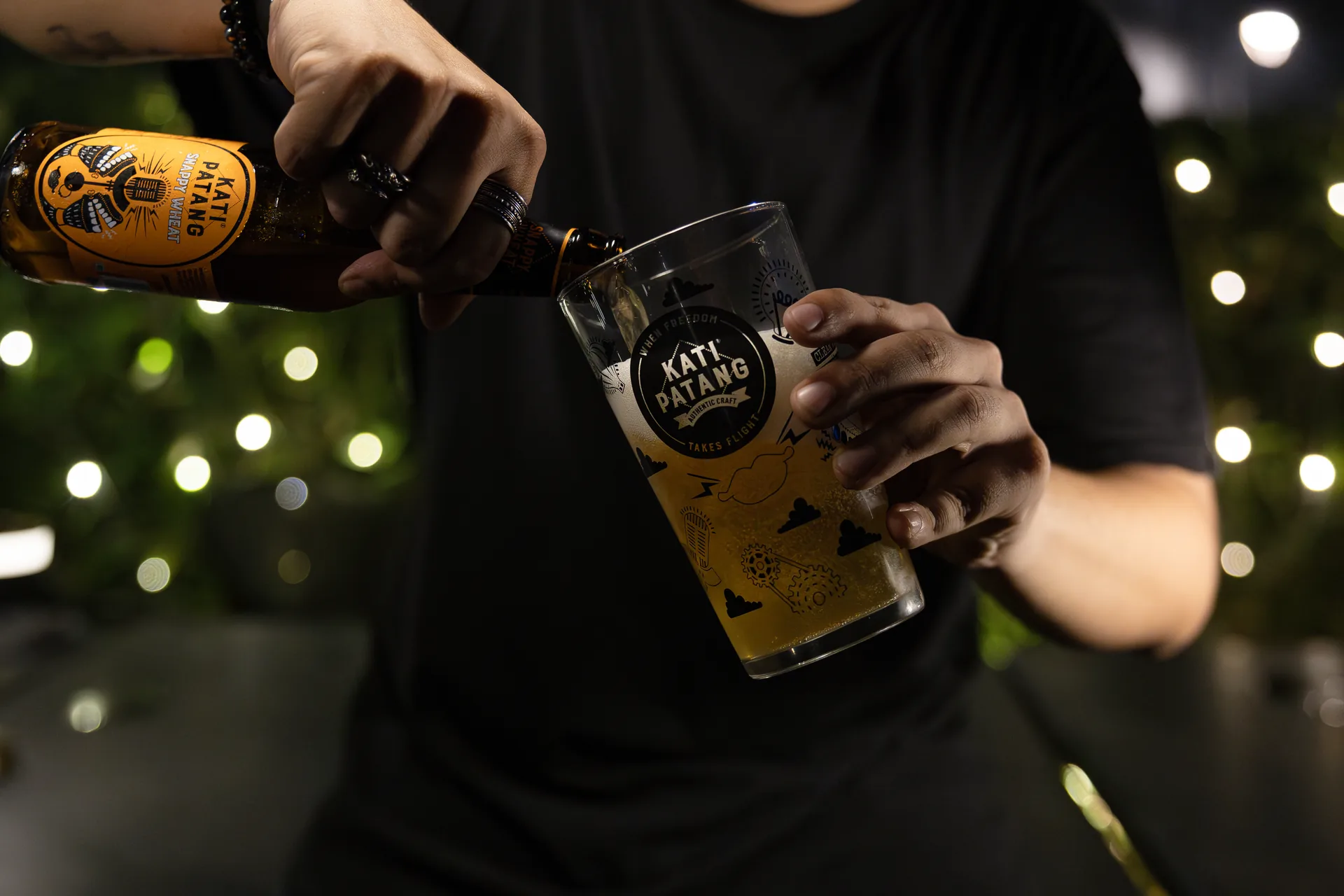
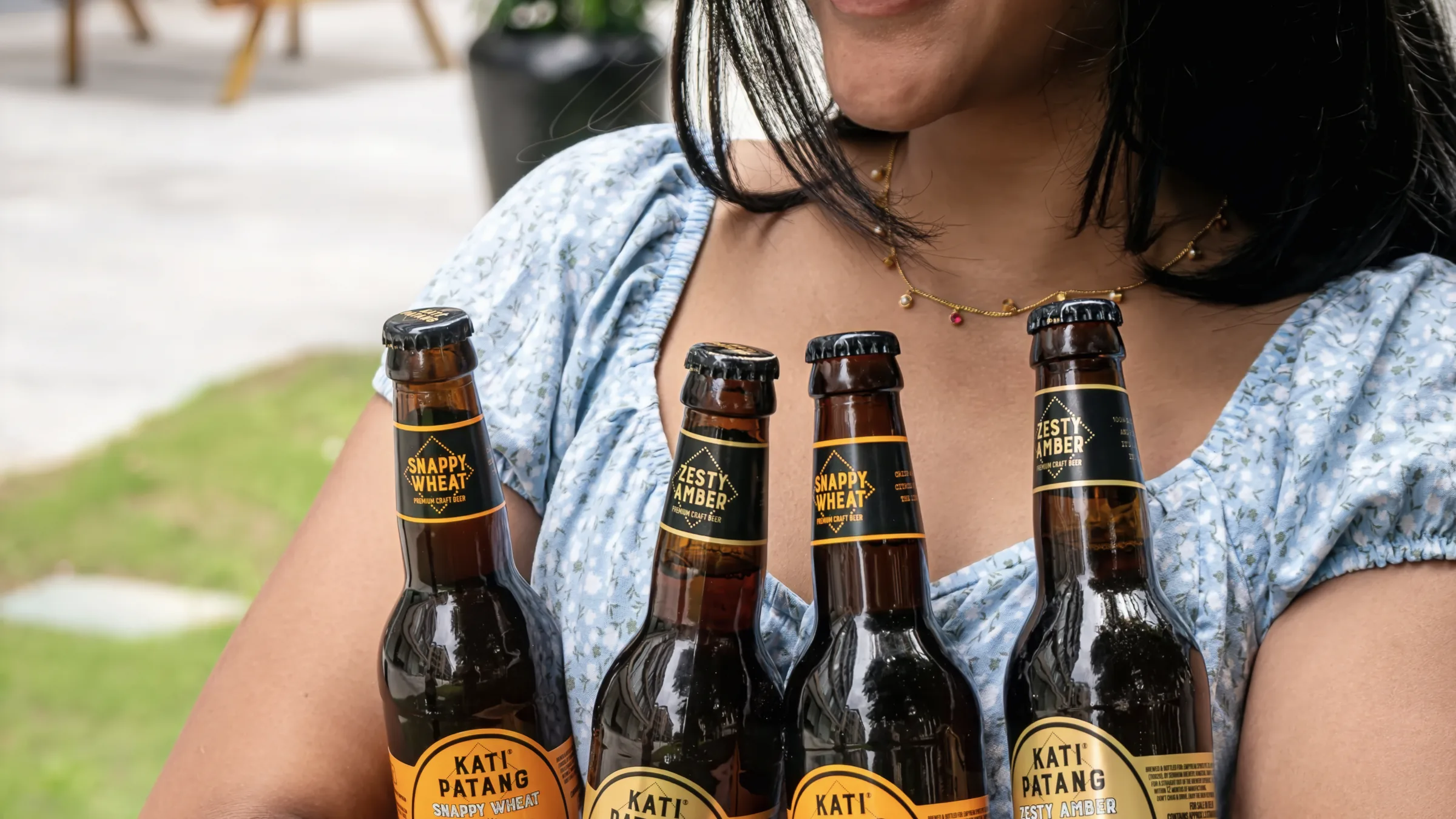
Snappy Wheat goes further down that rabbit hole, bringing together wheat beer with turmeric, peppercorn, coriander seeds and citrus.
It sounds like a strange combination on paper.
That's precisely why it's interesting.
Not Everything Needs to Be an IPA
There is a particular phase of the craft beer experience where everyone seems to discover IPAs at the same time.
We've been there.
You order the beer because the label says "hoppy," take a sip, and suddenly your mouth tastes like you've bitten into a pine tree.
IPAs have their place. So do aggressively bitter beers, barrel-aged monsters and stouts dark enough to have their own gravitational pull.
But craft beer doesn't have to be a competition to see how much flavour you can cram into a pint.
Sometimes subtlety wins.
A good lager can be incredibly satisfying. A wheat beer can be exactly what you want on a hot afternoon. An amber ale can sit somewhere in the middle — malty, slightly sweet, toasted and complex without screaming for attention.
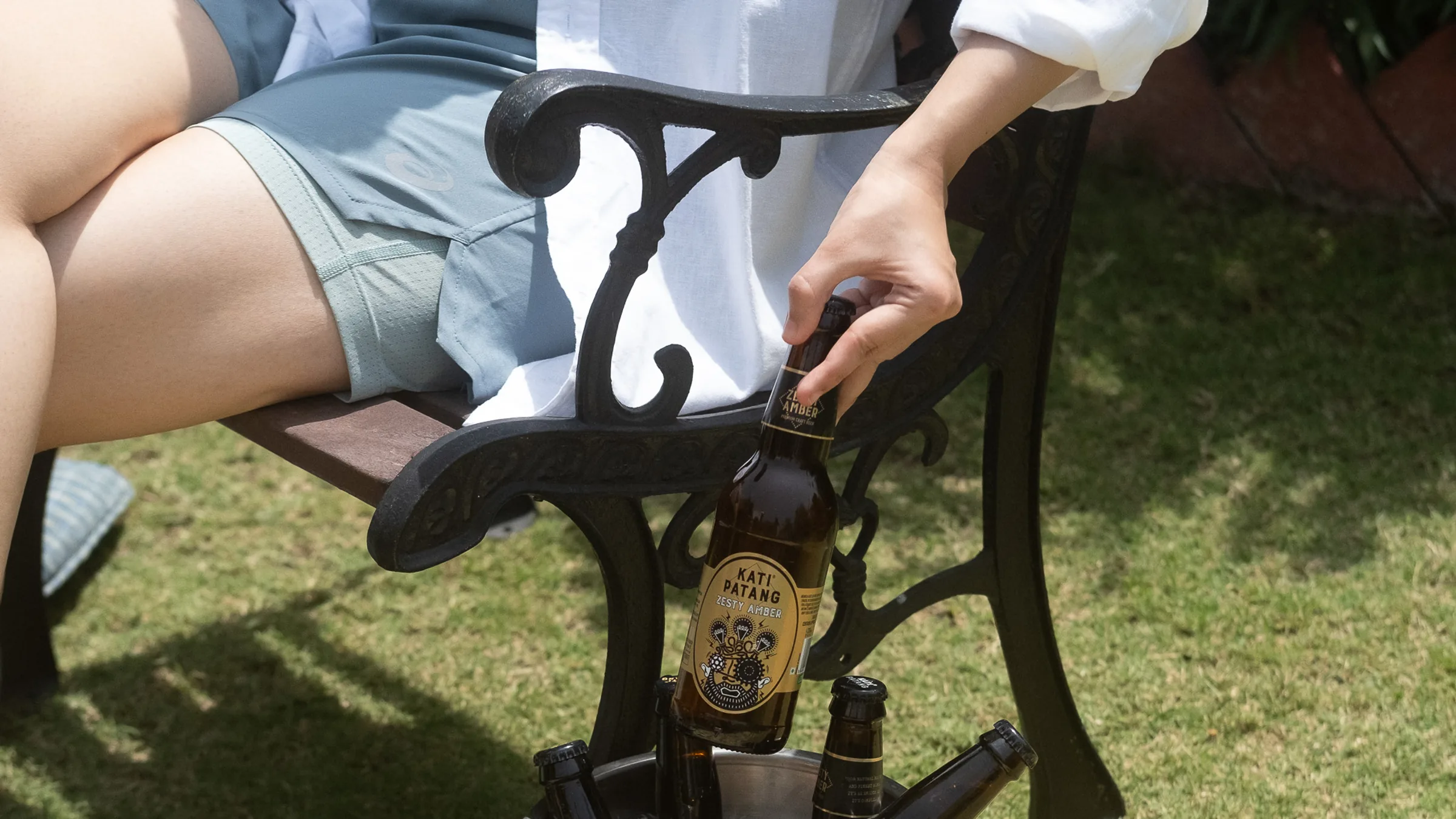
That's part of why we like Zesty Amber.
There's caramel, toasted malt and dark chocolate in there, but it doesn't feel like the beer is trying to prove something. It's just doing its thing.
Bareilly Extra Bold takes the opposite route, bringing a fuller malt character for those evenings when you want something with a little more weight.
Different moods. Different beers.
Same basic principle.
Beer, Like Music, Is About the Moment
Nobody puts on the same record every night.
You might spend Tuesday listening to some obscure post-punk band recorded in a basement in 1983 and spend Saturday singing along to something you've heard a thousand times.
Beer works the same way.
There's the beer you drink while standing at a gig, shouting over a guitar solo. There's the one you open after work when you don't want to think about anything. There's the beer that belongs on a sunny afternoon with nowhere to be.
And then there are the beers you try because someone hands you a bottle and says, "Trust me."
The best discoveries usually happen that way.
Not because an algorithm told you what to drink, but because someone whose taste you trust put something in your hand.
That's also the thinking behind the Kati Patang Trial Room.
Trial Room isn't really about standing around and being told what you should like. It's about trying things. New beers, new sounds, new artists, different combinations of people and ideas. It's a space built around the same instinct that drives craft beer in the first place: curiosity.
You might walk in for the beer and stay for a band you've never heard before.
Or come for the music and leave with a new favourite beer.
Either way, discovery is the point.
Also Read: What Is Draught Beer?
The Indian Craft Beer Scene Is Still Writing Its First Album
It's tempting to look at the craft beer scene and think we've already figured it out.
We haven't.
Indian craft beer is still young enough to be messy, experimental and occasionally ridiculous. Breweries are still figuring out what works. Drinkers are still discovering what they like. New ingredients keep finding their way into recipes.
And that's a good thing.
The moment a scene becomes completely predictable is usually the moment it stops being interesting.
For now, there are still beers being brewed that you've never tasted, ingredients you've never thought about putting in a beer, and combinations that sound completely wrong until you take the first sip.
There are also bands you've never heard, rooms you've never walked into and nights that aren't going to show up on your Spotify algorithm.
That's where the fun is.
Maybe the future of Indian craft beer isn't about making the "perfect" beer.
Maybe it's about making something that makes you stop halfway through a sip and think:
Wait. What the hell is that?
And then take another one.