There's a reason beer tastes different when it's poured straight from the tap. The smooth pour, creamy head, and fresh aroma all add to the experience, making a pint of draught beer feel a little more special than opening a bottle or can.
But what exactly is draught beer, and why do so many people prefer it?
The answer isn't that the beer itself is completely different. In many cases, the recipe is exactly the same. The difference lies in how it's stored, handled, and served. From the moment it leaves the brewery to the moment it reaches your glass, every step is designed to preserve freshness and flavour.
In this guide, we'll look at what draught beer means, how it's served, how it compares to bottled beer, and why many beer lovers believe it's the best way to enjoy a pint.
What Is Draught Beer?
Simply put, draught beer is beer that's served directly from a keg through a tap system rather than from a bottle or can. The word "draught" (or "draft" in American English) refers to beer that's drawn from a cask or keg for serving.
Today, most draught beer is stored in stainless steel kegs that are kept at carefully controlled temperatures. When it's time to pour, carbon dioxide or a blend of gases pushes the beer through tap lines and into the glass.
Because the beer stays sealed inside the keg until it's served, it remains protected from excess exposure to air and light, helping preserve its freshness, carbonation, and flavour.
How Is Draught Beer Served?
A great pint starts long before the beer reaches the glass.
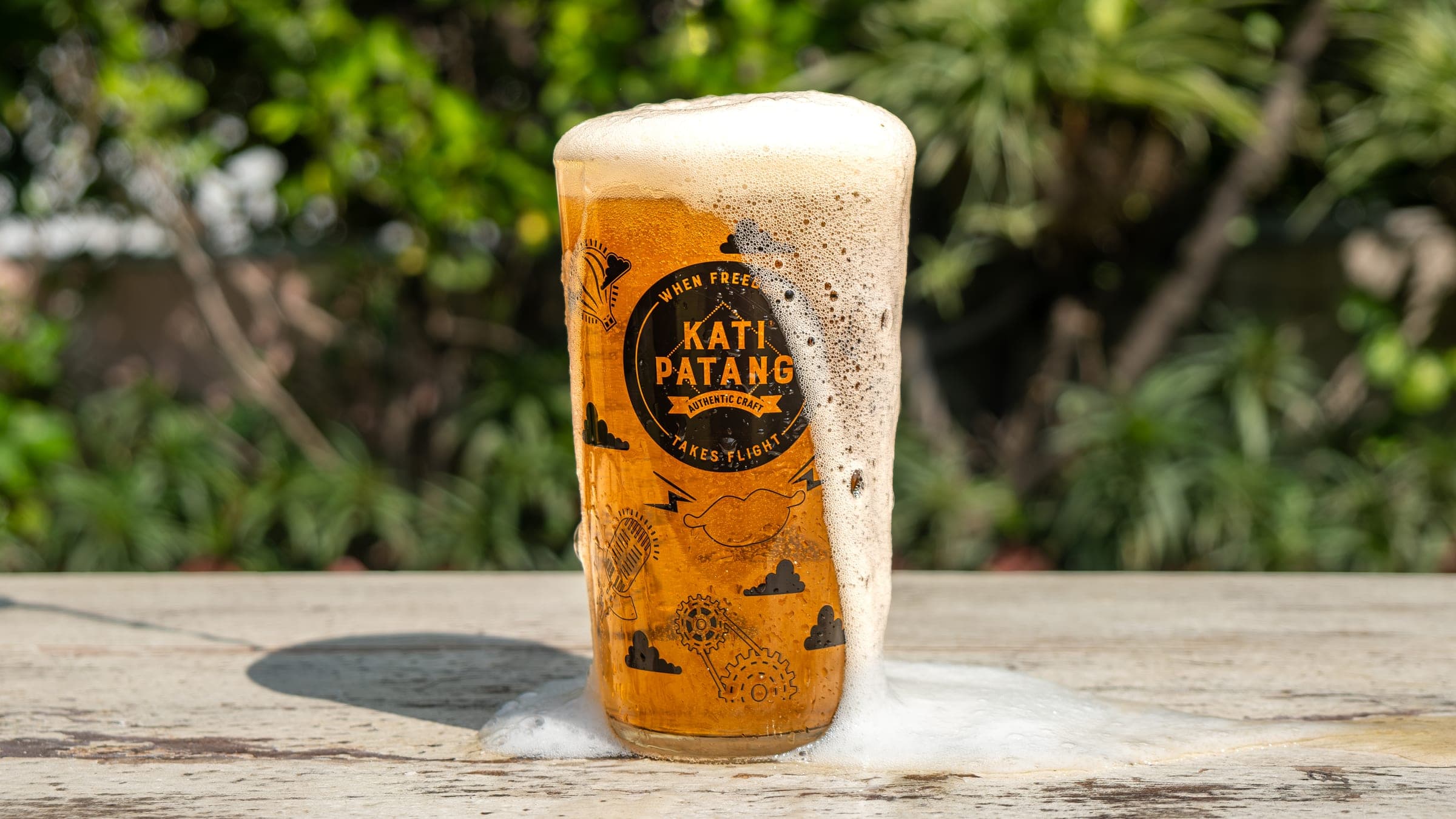
The process begins with chilled kegs stored at the right temperature. When a customer places an order, pressure from the keg pushes the beer through clean tap lines before it's poured into a chilled glass. A skilled bartender tilts the glass while pouring, allowing the beer to settle naturally and form a balanced head of foam.
That creamy layer isn't just for appearance. It helps release the beer's aromas while contributing to the overall drinking experience.
Several factors influence the quality of draught beer, including:
- Clean beer lines
- Proper keg storage
- Correct serving temperature
- Well-maintained tap systems
- The right glassware
When each of these is looked after, every pint is more likely to taste fresh, balanced, and consistent.
Draught Beer vs Bottled Beer
One of the most common questions people ask is whether draught beer is actually different from bottled beer.
In many cases, both contain the same beer. What changes is how that beer is stored and served.
Draught beer stays in a sealed keg until it's poured, helping preserve its freshness and giving it the smooth texture many people associate with beer on tap. It's the format most commonly served in bars, breweries, and restaurants.
Bottled and canned beer, on the other hand, is packaged individually, making it easier to transport, store, and enjoy at home. While it offers greater convenience, its freshness can be influenced by storage conditions and the amount of time between packaging and consumption.
Neither is inherently better than the other. If you're after the experience of a freshly poured pint, draught beer is hard to beat. If convenience is the priority, bottled or canned beer is often the more practical choice.
Why Does Draught Beer Taste Fresher?
Many people describe draught beer as tasting smoother and fresher, and there are a few reasons why.
Since the beer stays inside a sealed keg until it's served, it's exposed to less oxygen and light, both of which can gradually affect flavour over time. Proper refrigeration also helps maintain the beer in the condition the brewer intended.
The way draught beer is dispensed also contributes to its character. The controlled pressure inside the keg creates a softer mouthfeel and helps produce the creamy head that many drinkers associate with a well-poured pint.
That said, freshness depends on good maintenance. Even the best beer won't taste its best if the tap lines aren't cleaned regularly or the kegs aren't stored correctly. A well-maintained draught system makes all the difference.
Kati Patang's Craft Freshness, Straight from the Tap
Some beers reveal their best qualities when enjoyed fresh from the tap, and Kati Patang's beers are brewed with that experience in mind.
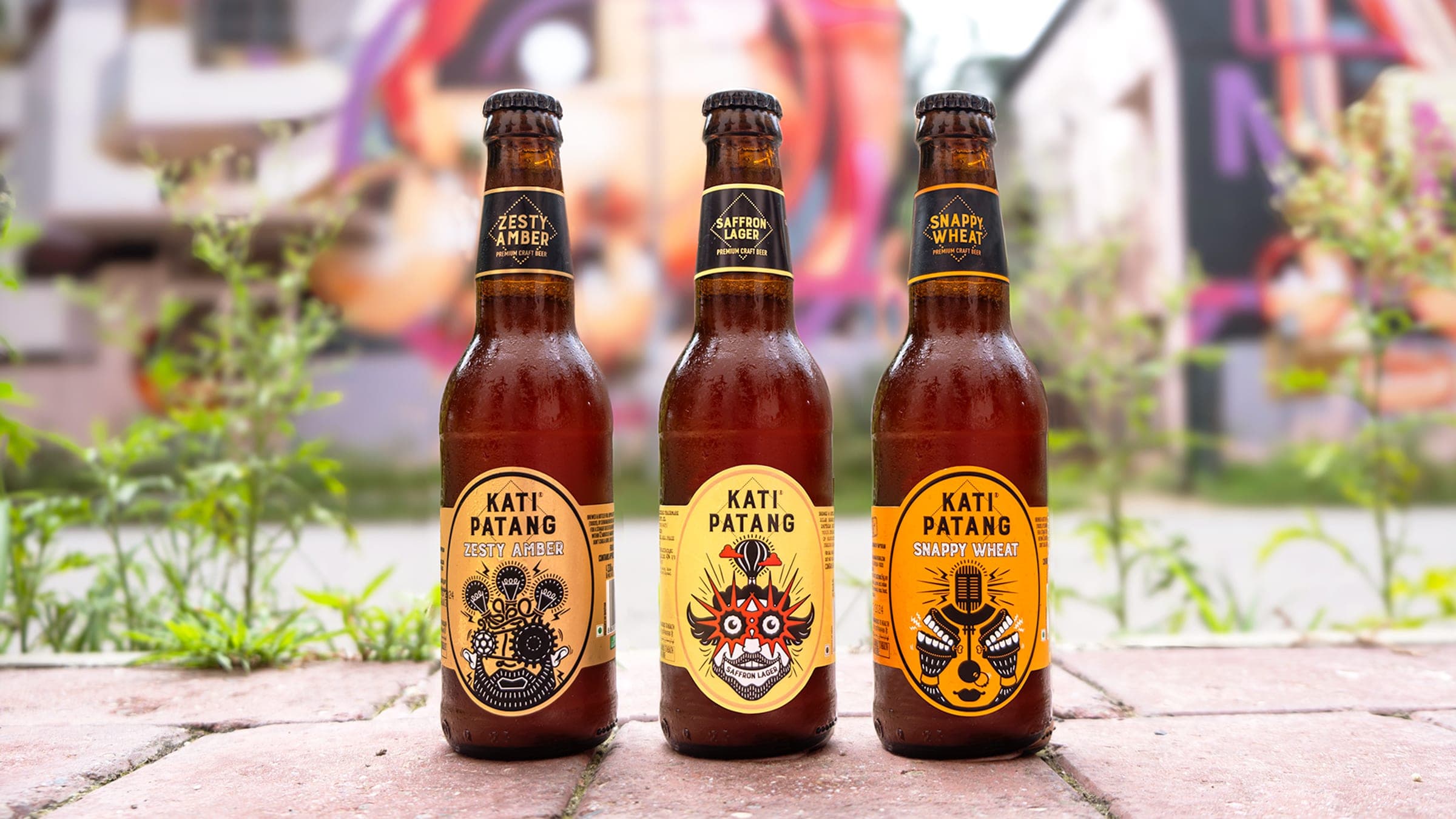
Saffron Lager combines a crisp lager profile with premium saffron sourced from Pampore in Kashmir, creating delicate floral notes and a clean, refreshing finish that shines when served on draught.
Snappy Wheat brings together smooth wheat malt with turmeric, peppercorn, coriander seeds, and bright citrus notes for a light, aromatic beer that's especially refreshing when poured fresh from the tap.
Served on draught, both beers showcase the qualities that make tap beer so enjoyable: balanced carbonation, lively aromas, and a smooth finish that lets every ingredient shine. Whether you're trying craft beer for the first time or returning for another pint, they offer a fresh take on what Indian craft beer can be.
Ask us where the nearest pour is, or tell your local bar to get in touch.
Find Kati Patang on tap