Craft beer invites you to slow down, pay attention, and explore a whole new dimension of brewing. Moving far beyond the one-size-fits-all approach of mass-market lagers, craft beer celebrates distinctive flavors, creative ingredient selection, and a rich tapestry of styles.
Let’s dive into what craft beer is all about, why it's worth exploring, and how to get the most out of every sip.
What Is Craft Beer?
At its core, craft beer is driven by an obsession with flavor, creativity, and brewing individuality. While commercial beers often prioritize standardization, craft brewers embrace experimentation—playing with unique malts, specialized hops, local grains, culinary spices, and diverse yeast strains.
Craft beer isn't inherently stronger or more complex than regular beer; rather, its appeal lies in its sheer diversity. It’s an invitation to discover flavors, aromas, and textures crafted with intention and character.
6 Key Benefits of Craft Beer
Explore the key craft beer benefits, from its diverse flavors and unique ingredients to the wide range of styles and food-pairing possibilities. Craft beer offers a more varied and engaging tasting experience for those who enjoy discovering new flavors.
1. A Wider Range of Flavors
One of the most exciting aspects of craft beer is its incredible flavor diversity. Depending on the style and ingredients, your palate might pick up notes of bright citrus, fresh pine, delicate florals, rich caramel, toasted biscuit, or subtle warming spices. It transforms a casual drink into an engaging sensory experience.
2. A Greater Variety of Beer Styles
Craft beer introduces you to an entire spectrum of styles, each with its own visual appeal, aroma, and mouthfeel:
- Lagers: Crisp, clean, and effortlessly refreshing.
- Wheat Beers: Flavor-forward, bright, and often bursting with fruity or spicy undertones.
- Amber Ales: Malt-forward and smooth, offering wonderful caramel and biscuit characteristics.
- Pale Ales: Showcases vibrant citrus, herbal, or tropical hop profiles.
- Stouts and Porters: Rich, dark styles featuring deep roasted coffee or chocolate notes.
3. More Interesting Ingredients
Alongside the traditional foundation of water, malted grains, hops, and yeast, craft brewers love to innovate with unexpected ingredients. From locally sourced grains to culinary spices, craft beer can tell a story of regional agriculture and heritage. Indian craft brewing, in particular, has paved the way for brilliant local innovations—incorporating indigenous elements like Kashmiri saffron and traditional whole spices to create truly one-of-a-kind flavor profiles.
4. An Opportunity to Discover New Tastes
Exploring craft beer is a lot like wine tasting or culinary exploration. You can analyze the crisp bitterness of different hop varieties, appreciate the natural sweetness of roasted malts, or notice how a touch of spice completely shifts an aroma. You don't need a sommelier certification to enjoy it—just an open mind and a willingness to try something new.
5. Fresh Perspectives on Brewing
Small-batch production and independent brewing give makers the flexibility to push boundaries. From reimagining classic historical styles to crafting ingredient-led lagers, craft breweries keep the art of brewing dynamic and ever-evolving.
6. Endless Food Pairing Possibilities
Craft beer is a phenomenal companion to food. A crisp lager cuts right through spicy appetizers and grilled fare, a zesty wheat beer elevates lighter dishes, and a caramel-kissed amber ale is a match made in heaven for burgers and roasted vegetables. Balancing carbonation, bitterness, and malt character makes every meal more memorable.
Craft Beer Taste: What to Expect as a Beginner
If you are new to the scene, the sheer volume of choices can feel a bit overwhelming. The best strategy? Start with what you already know you like.
- If you love light, crisp, and refreshing drinks, start with a Lager or Wheat Beer.
- If you lean toward maltier, richer profiles, try an Amber Ale.
- As your palate adapts, you can gradually venture into bolder, hoppier, or darker styles.
When tasting, pay attention to a simple triad: Aroma (Is it fruity, earthy, or malty?), Flavor (How do the tastes develop on your palate?), and Finish (Does it leave a crisp, dry, or smooth trail behind?). There are no rules here—just personal enjoyment.
What to Know Before You Drink Craft Beer
- Check the ABV: Alcohol by Volume varies wildly across craft styles. Always check the label so you know what to expect.
- Mind the Temperature: While lagers are typically served ice-cold, many flavor-forward ales and stouts actually open up and reveal deeper aromas when allowed to warm up just a fraction.
- Understand Bitterness: Hops provide both bitterness and aroma, but high bitterness doesn't automatically mean high alcohol content.
- The Glassware Question: While specialized glassware can enhance the aromatics, don't sweat it—any clean glass will do the trick.
- Drink Responsibly: Enjoy your craft beer mindfully, know your limits, and never drink and drive.
Explore the Kati Patang Range
At Kati Patang, we celebrate free-spirited brewing with a lineup designed to honor both traditional craft principles and bold Indian character:
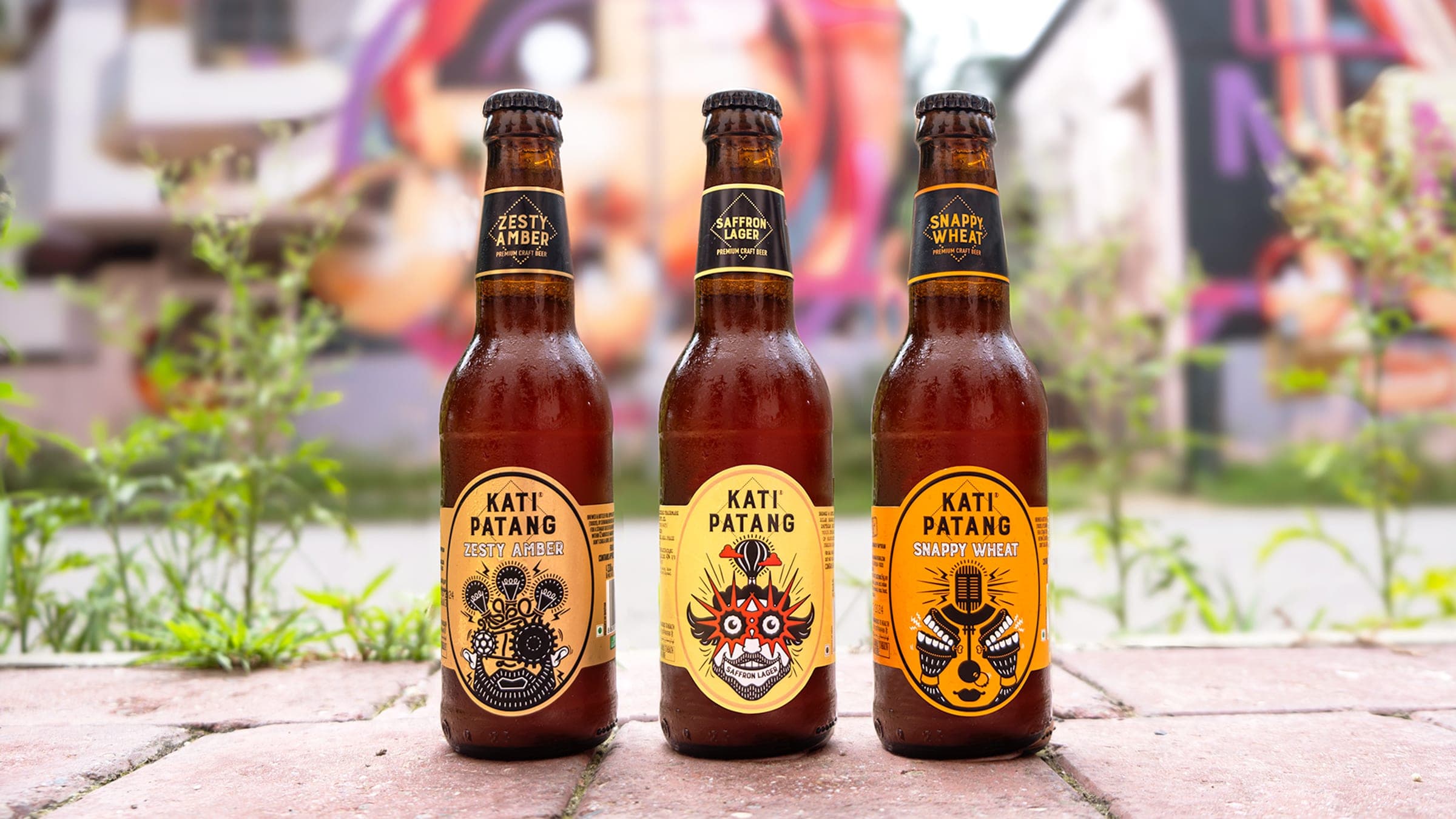
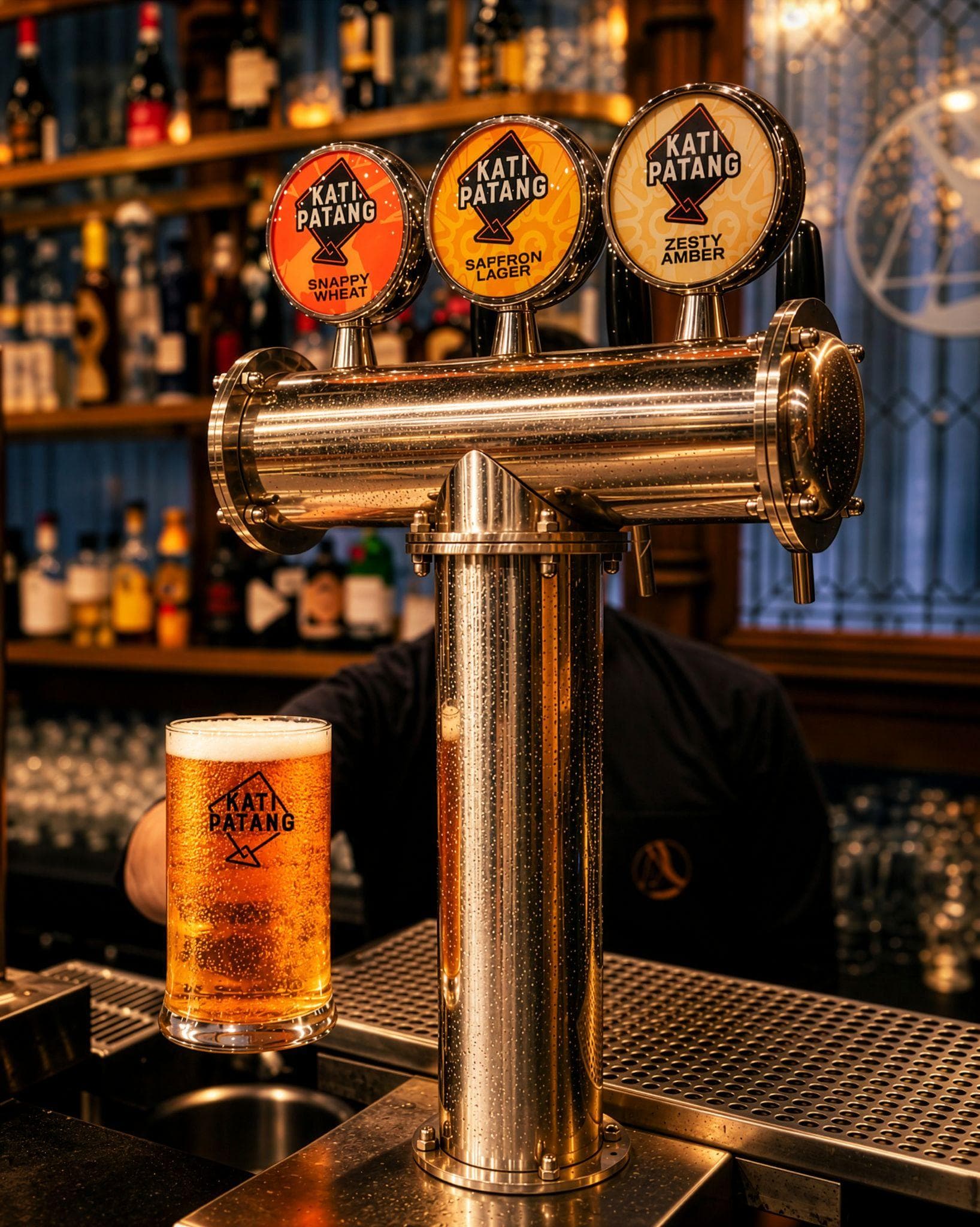
- Zesty Amber: A rich, flavor-forward amber ale boasting roasted chocolate malt character with luscious caramel and cookie notes.
- Snappy Wheat: An authentic Indian wheat beer spiced with turmeric, peppercorn, and coriander for a refreshing twist.
- Saffron Lager: Brewed with hand-harvested saffron from Pampore, Kashmir, bringing a luxurious touch of India to a clean, crisp lager.
- Freedom Lager: An ultra-crisp, easy-drinking lager developed in collaboration with Royal Enfield, featuring unique Indian corn character.
- Bareilly Bold: A robust, punchy choice for those who prefer a stronger, harder-hitting beer experience.