Beer is often described by its style — lager, wheat beer, amber ale, or something darker and bolder. But at Kati Patang, we think a beer is better understood through what goes into making it.
Every brew begins with the fundamentals: water, malt, hops, and yeast. From there, the process becomes more personal. The choice of malt, the character of the hops, the yeast strain, the brewing temperatures, and the ingredients we bring into the recipe all shape what eventually reaches your glass.
At Kati Patang, our approach is to work within the traditions of brewing while giving them an unmistakably Indian character. That means carefully selected ingredients, considered brewing techniques, and flavours that aren't simply added for novelty — they're chosen to give each beer its own personality.
Here's a closer look at how we brew our beers and what makes the Kati Patang process different.
It Starts With the Ingredients
There are four essential ingredients at the heart of beer: water, malt, hops, and yeast.
But brewing isn't simply about putting four ingredients together. The character of a beer comes from the decisions made around each one.
Water: The Foundation
Water makes up most of every beer, which makes it one of the most important parts of the brewing process.
At Kati Patang, water is carefully treated and prepared for brewing to ensure consistency from batch to batch. Its mineral composition can influence how the malt, hops, and yeast express themselves, making water much more than just a base ingredient.
The goal is simple: create the right foundation for the flavours we're trying to build.
Malt: Where the Body Begins
Malt provides the sugars that yeast eventually converts into alcohol, but it also does much more.
The type and treatment of malt influence a beer's colour, body, sweetness, texture, and flavour. Lighter malts can contribute a clean, delicate character, while roasted malts bring deeper notes of caramel, biscuit, chocolate, and toast.
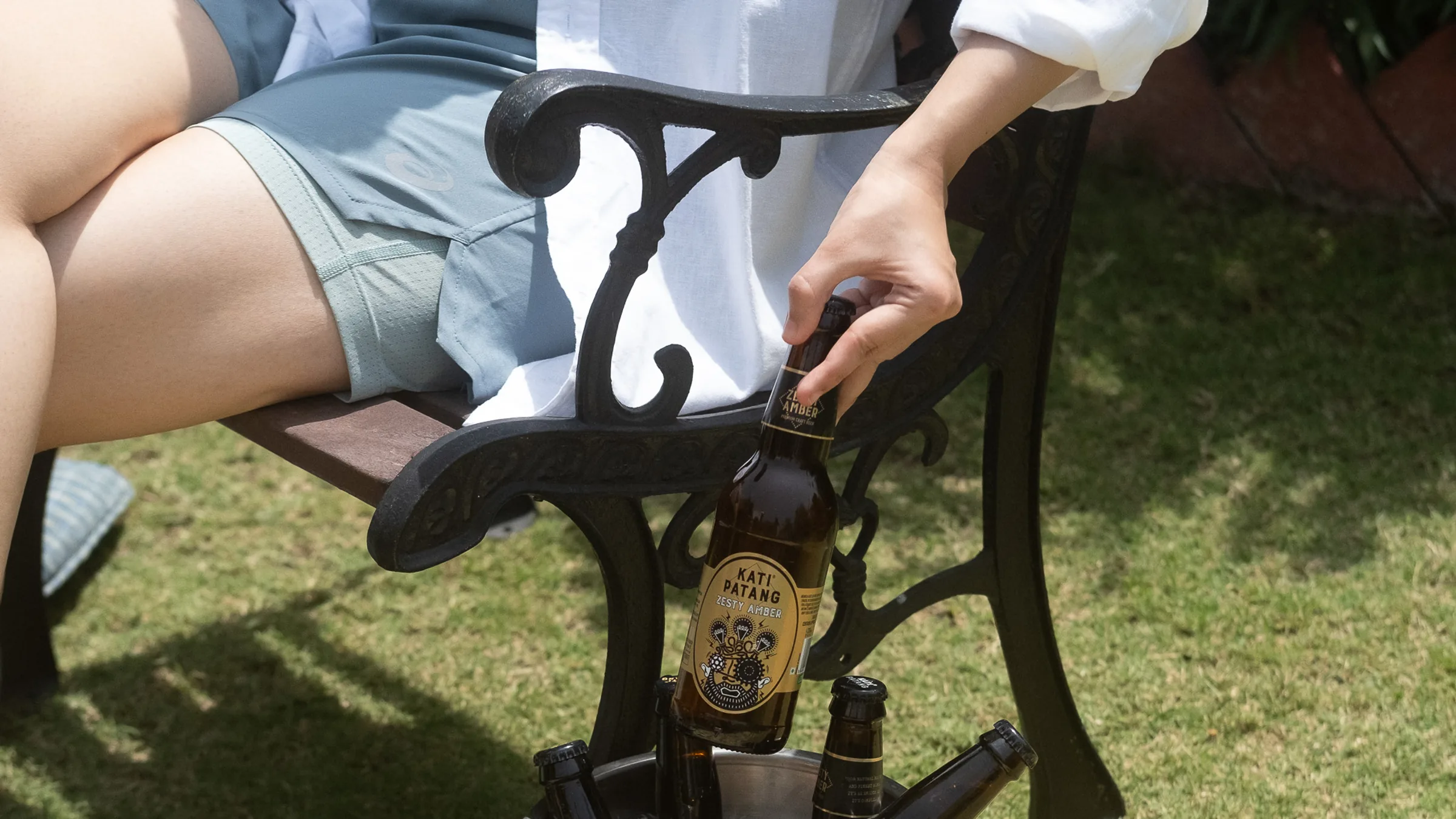
This is particularly important in beers like our Zesty Amber, where roasted malts help create its characteristic caramel and chocolate notes while keeping the beer balanced and smooth.
Hops: Balance, Aroma and Character
Hops bring bitterness to beer, balancing the natural sweetness of malt. Depending on the variety and when they're introduced during brewing, they can also contribute citrus, floral, herbal, tropical, or resinous aromas.
At Kati Patang, hops are selected according to the character we're looking for in each beer rather than simply adding bitterness for its own sake.
The result is a more considered balance between malt, hops, yeast, and the ingredients that make each Kati Patang beer distinctive.
Yeast: The Living Part of Brewing
Yeast is where the brewing process really comes alive.
Once added to the cooled wort, yeast consumes the fermentable sugars and produces alcohol and carbon dioxide. It also creates compounds that contribute to the aroma and flavour of the finished beer.
This is why fermentation isn't simply a technical step. Temperature, timing, and yeast selection can all influence the final character of a beer.
Our brewing process gives each beer the conditions it needs to develop its intended profile before it moves on to maturation and packaging.
The Kati Patang Brewing Process
While the ingredients provide the building blocks, brewing is about bringing them together at the right time and in the right way.
1. Preparing the Malt
The brewing journey begins with malted grains.
The malt is prepared and milled before being combined with hot water. This allows the enzymes naturally present in the malt to convert starches into fermentable sugars.
The resulting liquid is called wort — the foundation on which the rest of the beer is built.
2. Mashing and Creating the Wort
During mashing, the malt and water are held at carefully controlled temperatures.
This stage determines how efficiently the available starches are converted into sugars and has an important influence on the eventual body and character of the beer.
Once the sugars have been extracted, the liquid wort is separated from the spent grain and prepared for the next stage.
3. Boiling and Adding Hops
The wort is then brought to a boil.
This is when hops enter the process. Their timing matters: hops added earlier in the boil generally contribute more bitterness, while later additions can preserve more of their delicate flavour and aroma.
For Kati Patang, this stage is about finding the balance that works for each recipe rather than following a single formula across every beer.
4. Bringing in the Kati Patang Character
This is where our beers begin to move beyond traditional styles.
We use ingredients that complement the underlying beer rather than overpower it.
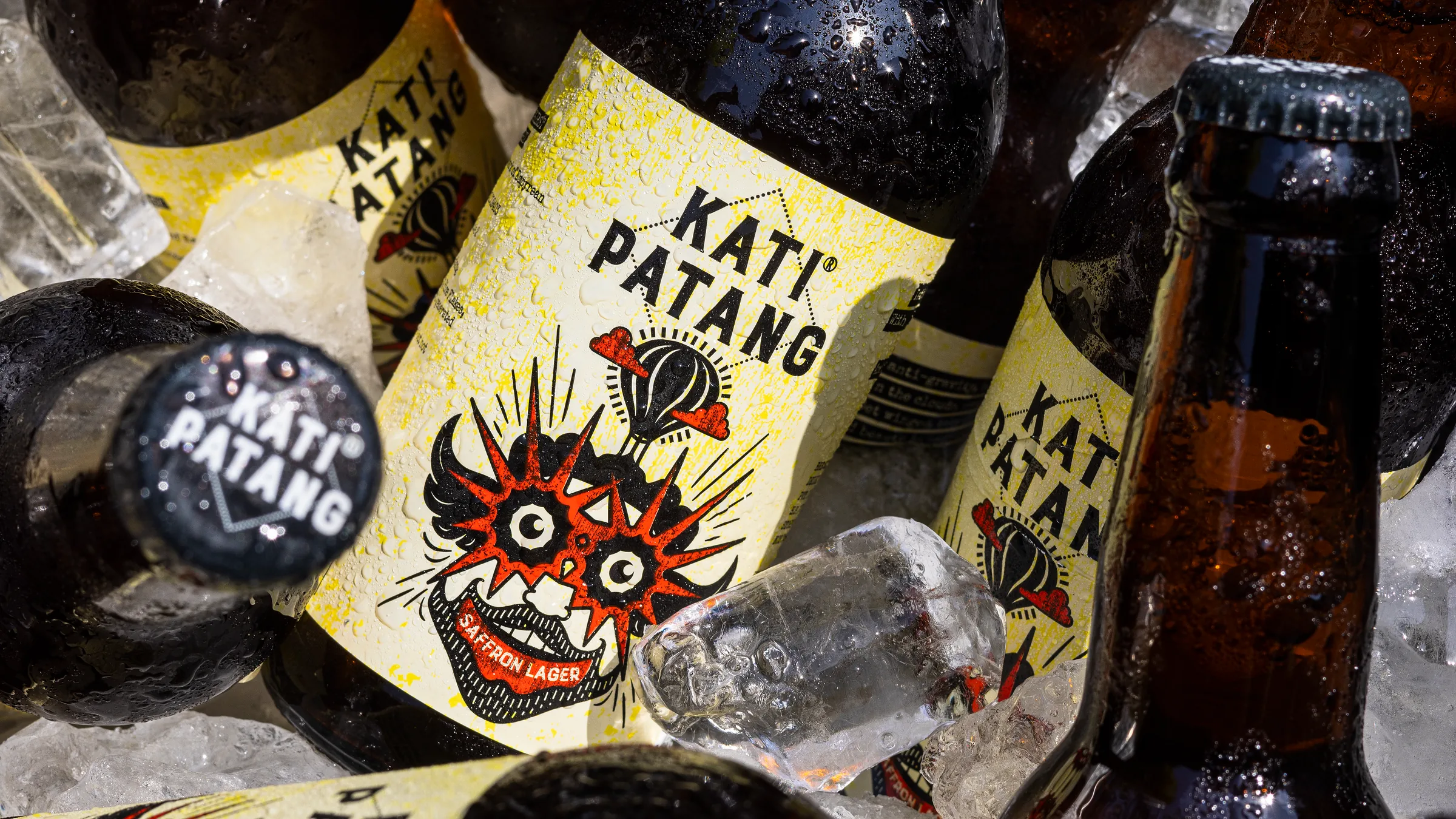
Our Saffron Lager, for example, incorporates authentic saffron sourced from Pampore in Kashmir. The saffron brings a delicate floral character to a crisp lager without taking away from its refreshing nature.
Snappy Wheat takes a different route. Alongside wheat malt, it brings together turmeric, peppercorn, coriander seeds, ginger, and bright citrus notes. These ingredients add layers of spice and freshness while retaining the easy-drinking character expected from a wheat beer.
The point isn't to make a beer that is simply "Indian" because Indian ingredients have been added to it. It's about understanding how those ingredients work within the beer and using them with restraint and intention.
5. Cooling the Wort
After boiling, the wort is rapidly cooled to the temperature required for fermentation.
This is an important transition. The brewing environment changes from one designed for extracting flavour and bitterness to one where yeast can do its work.
6. Fermentation
Yeast is introduced to the cooled wort, beginning fermentation.
The yeast consumes the fermentable sugars and produces alcohol, carbon dioxide, and flavour compounds. The temperature and duration of fermentation depend on the beer being brewed.
Our lagers are fermented under cooler conditions to develop their clean and crisp character, while beers with more expressive malt profiles are given the conditions required to develop their intended depth.
7. Maturation and Finishing
Once primary fermentation is complete, the beer isn't immediately ready to be packaged.
The beer is given time to mature and develop its character. Depending on the beer, it may then be clarified, carbonated, and prepared for packaging.
This final stage helps bring the individual components of the beer together — malt, hops, yeast, and any additional ingredients — into a more balanced finished product.
Also Read: What Is Draught Beer?
What Makes Kati Patang's Brewing Process Different?
The fundamentals of brewing haven't changed dramatically for centuries. What changes is how a brewer uses them.
For us, the difference lies in the balance between brewing tradition and Indian ingredients.
We don't start with an ingredient and try to build a beer around it simply because it sounds unusual. We start by thinking about the beer we want to create — its body, aroma, bitterness, texture, and finish — and then select ingredients that can contribute meaningfully to that profile.
That philosophy can be seen across the Kati Patang range.
Saffron Lager
A crisp lager given a subtle floral dimension through authentic saffron from Pampore, Kashmir. The saffron is there to complement the beer, not dominate it.
Snappy Wheat
A refreshing wheat beer layered with turmeric, peppercorn, coriander seeds, ginger, and citrus. The combination brings spice, brightness, and complexity while keeping the beer approachable.
Zesty Amber
Built around roasted malts that bring caramel and chocolate notes, balanced to create a fuller, smoother drinking experience.
Bareilly Extra Bold
A richer, more intense expression built around malt character, delivering greater depth while retaining the smoothness that makes it easy to drink.
Each beer starts from a different idea, but the underlying philosophy remains the same: good brewing begins with good ingredients, and great beer comes from knowing how to bring them together.
Brewing With an Indian Point of View
Craft brewing gives brewers the freedom to experiment. But experimentation works best when there's intention behind it.
At Kati Patang, our beers are an exploration of what happens when established brewing techniques meet ingredients and flavours that have a natural place in India.
It's about saffron from Kashmir, spices that have been part of Indian kitchens for generations, and malt and hops brought together with a distinctly local perspective.
The result isn't a departure from brewing tradition. It's our interpretation of it.
Because ultimately, every Kati Patang beer follows the same journey — from carefully selected ingredients, through a considered brewing and fermentation process, to the finished beer in your glass.
And that's what makes each one worth opening.