There's something satisfying about watching a beer being poured into a glass. The colour, the aroma, the frothy head, and that first refreshing sip all feel effortless. But behind every pint is a brewing process that's equal parts science, skill, and patience.
No matter whether you're drinking a crisp lager, a refreshing wheat beer, or a rich amber ale, every beer starts with the same basic ingredients and follows a similar brewing journey. What makes one beer different from another is the brewer's choice of ingredients, techniques, and the small decisions made along the way.
In this guide, we'll break down how beer is made in India, the four key ingredients that go into every brew, the step-by-step brewing process, and how craft breweries like Kati Patang put their own spin on tradition.
The Four Essential Ingredients of Beer
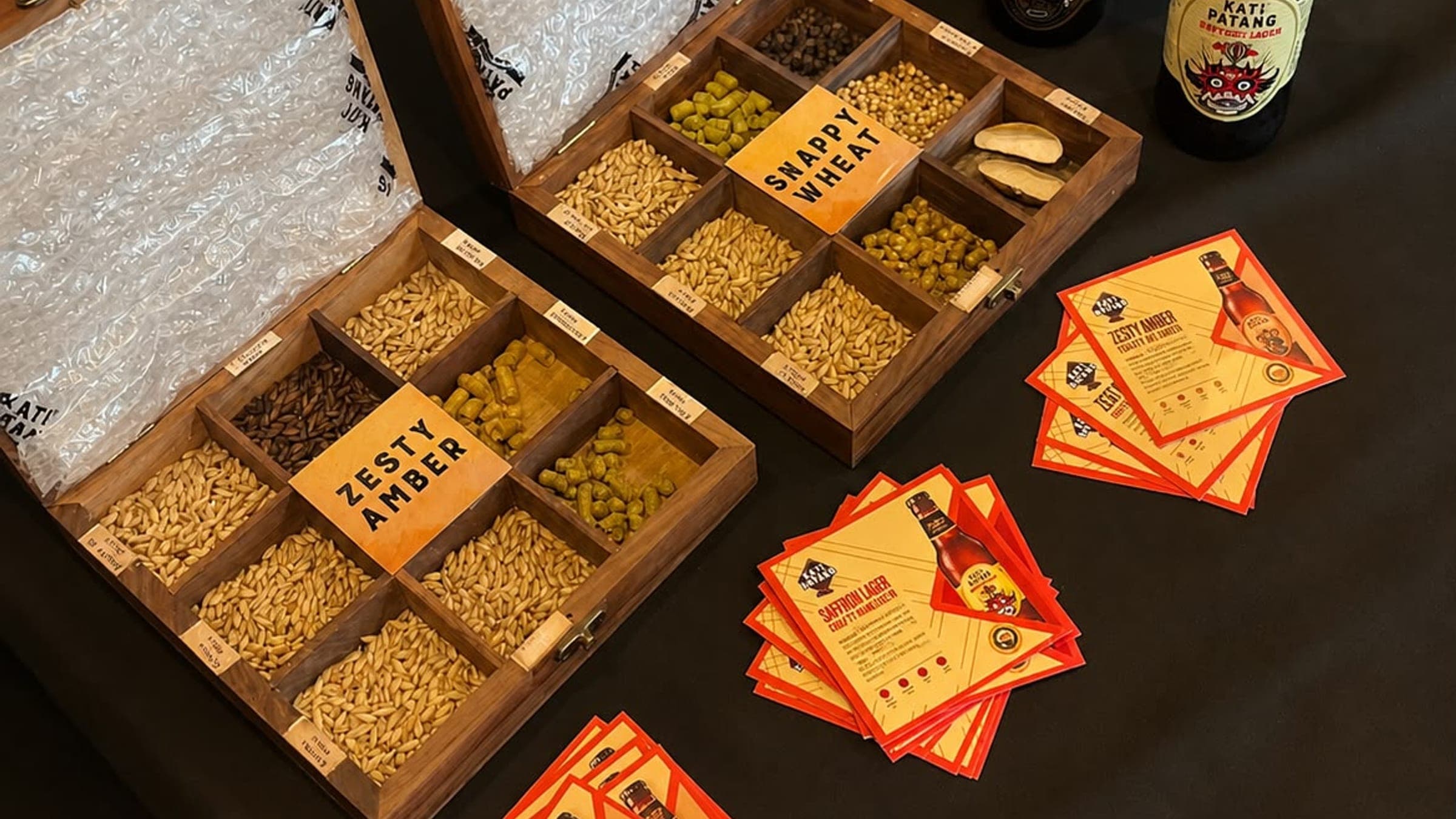
Every beer begins with four core ingredients. While many craft breweries experiment with fruits, spices, herbs, and botanicals, these building blocks remain the foundation of almost every brew.
Water
Beer is made up of more than 90% water, so its quality has a huge influence on the final product. The mineral composition of the water can affect everything from the beer's mouthfeel to its overall flavour, which is why breweries pay close attention to where their water comes from and how it's treated.
Malt
Most beers are brewed using malted barley. Malt provides the natural sugars that yeast later converts into alcohol, while also contributing colour, body, and flavour. The way the malt is roasted determines whether a beer is light and crisp or rich with notes of caramel, biscuit, chocolate, or coffee.
Hops
Hops are the flowers that give beer its balance. They add bitterness to offset the sweetness of the malt, while also bringing aromas and flavours that can range from citrus and tropical fruit to pine, herbs, and floral notes. The variety of hops used, along with when they're added during brewing, has a big impact on the finished beer.
Yeast
Yeast is the ingredient that turns sweet wort into beer. During fermentation, it consumes the sugars created from the malt and produces alcohol and carbon dioxide. Different strains of yeast also contribute their own flavours and aromas, helping define the character of each beer style.
The Beer Brewing Process, Step by Step
While every brewery has its own methods and recipes, the brewing process follows the same basic stages.
1. Malting
The process begins with barley. The grains are soaked in water, allowed to germinate, and then carefully dried. This develops the enzymes needed to convert starches into fermentable sugars later in the brewing process.
2. Mashing
The malt is mixed with hot water to create what's known as the mash. During this stage, the natural enzymes break down the starches into sugars, producing a sweet liquid called wort. This wort becomes the base of the beer.
3. Boiling
The wort is then transferred to a brew kettle and boiled. Hops are added during this stage, and the timing of each addition plays an important role in shaping the beer's bitterness, flavour, and aroma. Earlier additions generally contribute bitterness, while later additions help preserve aromatic qualities.
4. Cooling
Once the boil is complete, the wort is cooled as quickly as possible. Rapid cooling helps maintain quality and creates the right conditions for yeast to begin fermentation.
5. Fermentation
This is where beer truly starts to take shape.
Yeast is added to the cooled wort, beginning the fermentation process. As the yeast feeds on the sugars, it produces alcohol, carbon dioxide, and many of the flavours and aromas that define the finished beer.
Fermentation times vary depending on the style. Lagers are fermented at cooler temperatures over a longer period, resulting in a clean, crisp finish. Ales ferment at warmer temperatures, which often produces fruitier and more expressive flavours.
Once fermentation is complete, the beer is left to mature before it is filtered, carbonated if required, and packaged.
How Craft Beer Is Made Differently
The fundamentals of brewing remain the same whether you're making craft beer or commercial beer. The difference lies in the approach.
Craft breweries usually work in smaller batches, giving brewers more freedom to experiment with recipes and ingredients. Alongside the traditional four brewing ingredients, they often use specialty malts, distinctive hop varieties, fruits, spices, herbs, and locally sourced produce to create beers with their own identity.
This flexibility also allows craft breweries to produce seasonal releases, limited-edition brews, and styles that aren't commonly found in the mainstream market. Rather than aiming for complete uniformity, craft brewers focus on flavour, creativity, and brewing each beer with care.
How Kati Patang Brews Its Craft Beer
At Kati Patang, the brewing process is rooted in traditional techniques but shaped by Indian flavours and ingredients.
Every beer starts with carefully selected brewing ingredients and follows the same time-tested brewing process before being finished with ingredients that give each style its own distinct personality.
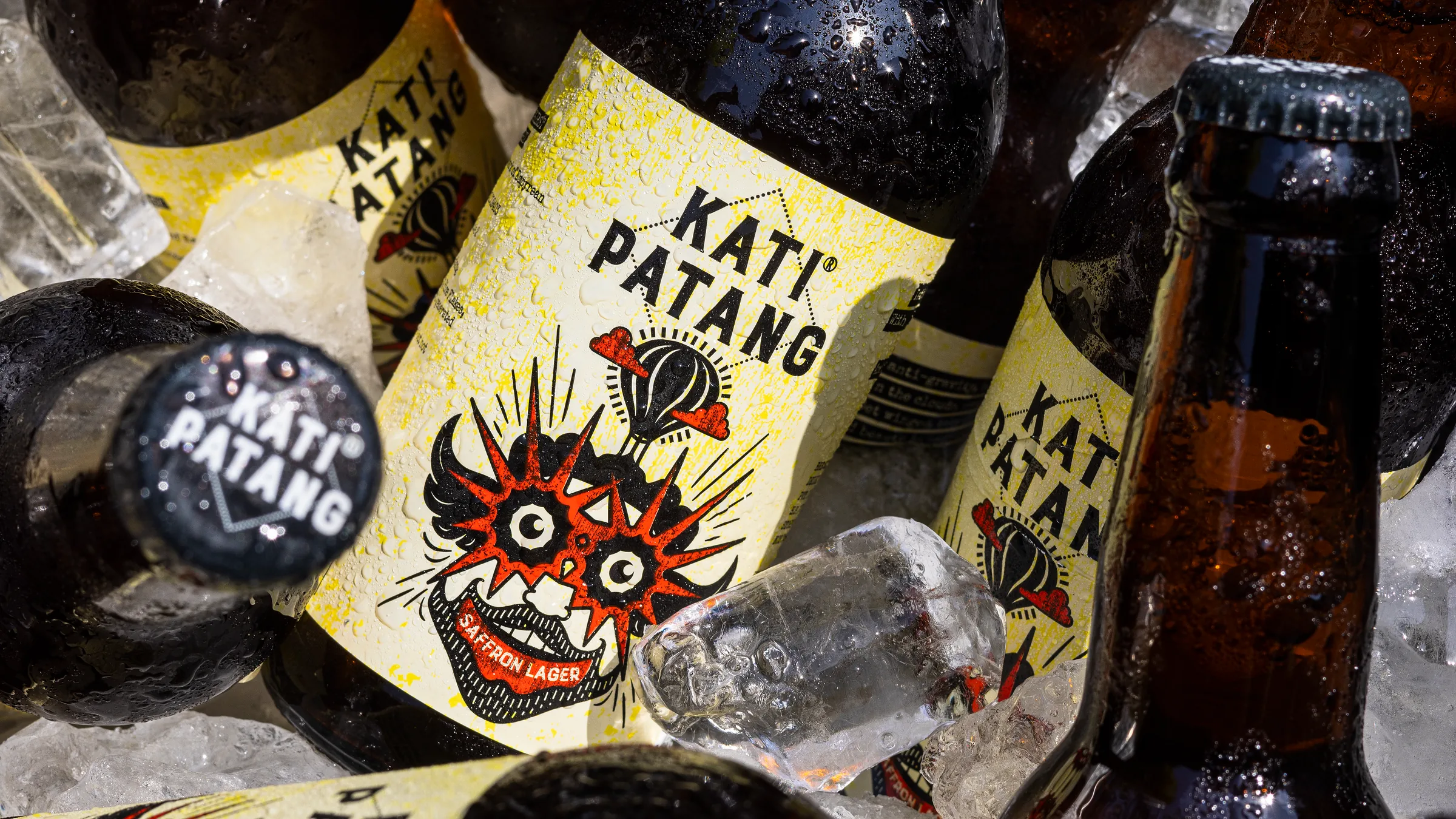
The Saffron Lager is brewed with authentic saffron sourced from Pampore in Kashmir, adding delicate floral notes to a crisp, refreshing lager.
Snappy Wheat pairs smooth wheat malt with turmeric, peppercorn, coriander seeds, ginger, and bright citrus notes to create a refreshing take on a classic wheat beer.
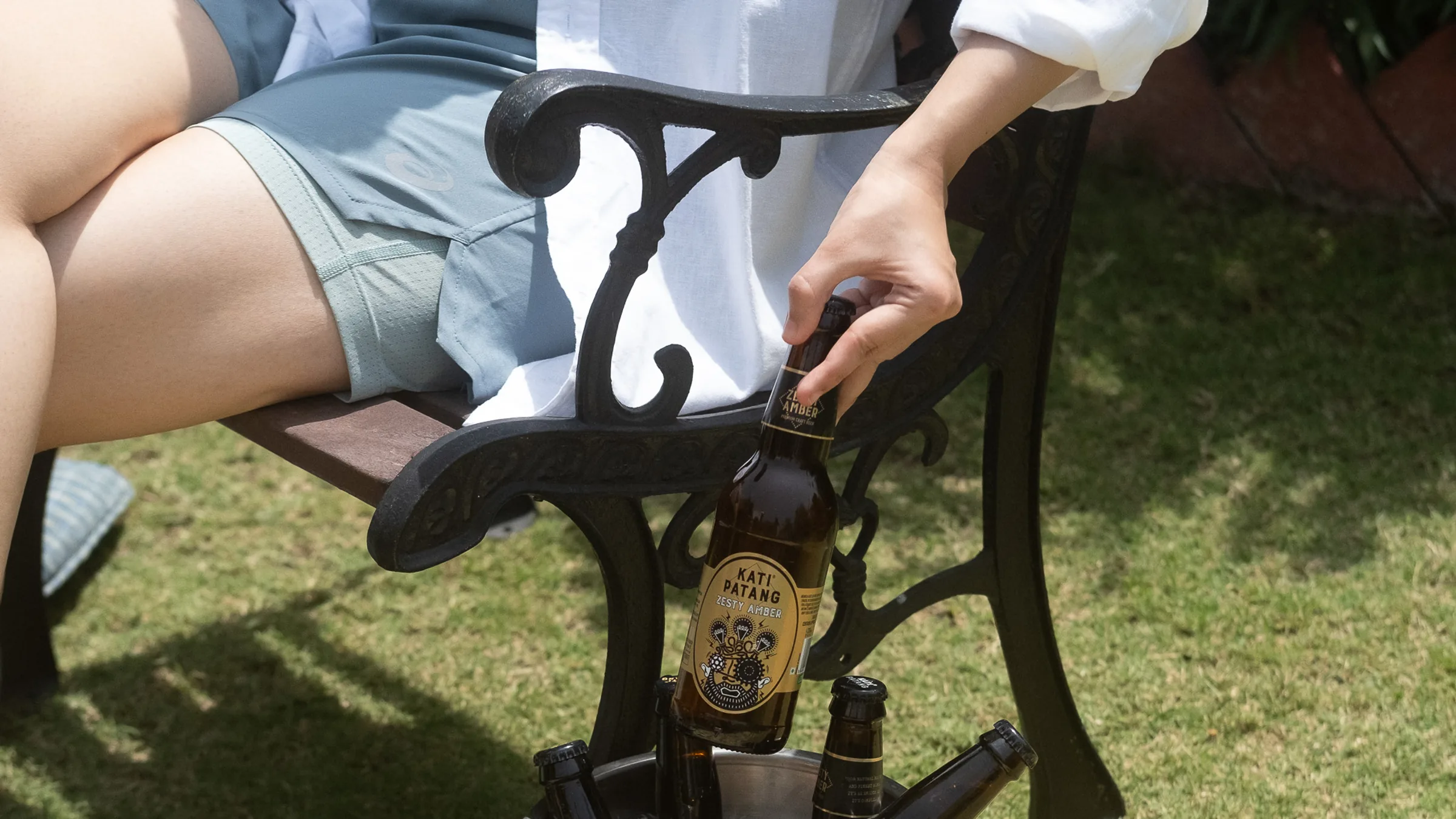
Zesty Amber, India's only bottled amber ale, uses roasted malts to develop rich caramel and chocolate notes while maintaining a smooth, balanced finish.
For those who enjoy fuller-bodied beers, Bareilly Extra Bold delivers a richer malt character and greater intensity without losing its smooth drinkability.
Each beer reflects the same philosophy: respect the brewing process, use quality ingredients, and create flavours that feel unmistakably Indian. It's an approach that brings together craftsmanship, curiosity, and a willingness to look beyond convention, one brew at a time.