Beer has never really been just “beer.”
There are crisp lagers for hot afternoons, hazy wheat beers that smell faintly of citrus and spice, bitter IPAs built around hops, dark stouts that lean into coffee and chocolate, and sour beers that can be almost wine-like in their tartness. Then there are the hundreds of variations in between.
So, how many types of beer are there?
There isn't one definitive number. Depending on how styles are classified, there are well over 100 recognised beer styles around the world, and that number keeps shifting as brewers experiment with ingredients and techniques. New styles emerge, old ones get reinterpreted, and sometimes the most interesting beers sit somewhere between categories.
The easiest place to start is with two broad families: ales and lagers. From there, things get considerably more interesting.
10 Popular Types of Beer in India
India has traditionally been a lager-drinking country. For a long time, ordering a beer here usually meant choosing between a few familiar pale lagers and their stronger versions.
That's changing.
The growth of independent breweries and craft beer has made styles such as wheat beers, IPAs, saisons and stouts increasingly familiar to Indian drinkers. You don't have to be a beer expert to explore them either. Knowing a little about what you're drinking is usually enough to know where to start.
Here are some of the styles you're most likely to encounter.
1. Lager
If you've had a cold beer on a hot Indian afternoon, chances are you've had a lager.
Lagers are fermented with bottom-fermenting yeast at relatively cool temperatures. The result is generally clean, crisp and refreshing, with fewer fruity fermentation flavours than you'll find in many ales.
They're also incredibly varied. A light American-style lager, a malty Vienna lager and a bitter, hop-forward pilsner may all belong to the lager family while tasting completely different.
2. Wheat Beer
Wheat beer gets its name from, unsurprisingly, the amount of wheat used in the brewing process.
Wheat gives these beers a softer, fuller texture and often contributes to their characteristic cloudy appearance. Depending on the style, you might find flavours and aromas of citrus, banana, clove or gentle spice.
They're particularly good territory for anyone who wants something refreshing but with a little more personality than a straightforward lager.
3. India Pale Ale (IPA)
IPAs are where hops take centre stage.
Hops are the flowers responsible for much of beer's bitterness, aroma and flavour. In an IPA, they're used generously, producing everything from grapefruit and orange peel to mango, pine, herbs and flowers.
The name comes from the historical British style, but modern IPAs have travelled a long way from their origins. American and modern craft brewing have pushed the style in countless directions, from intensely bitter West Coast IPAs to softer, hazier New England IPAs.
If you're curious about hops, an IPA is a good place to begin.
4. Amber Ale
Amber ales sit comfortably between lighter beers and darker, malt-forward styles.
They typically get their colour and flavour from roasted or caramelised malts, which can bring notes of caramel, toasted bread, biscuit and sometimes dark fruit. There's usually enough hop bitterness to keep the sweetness in check.
They're a useful reminder that beer doesn't have to be extremely bitter or extremely strong to have character.
5. Stout
Dark beer gets a bad reputation for being heavy. Stouts are a good way to challenge that assumption.
Stouts are brewed using roasted malts, which can create flavours reminiscent of coffee, cocoa, dark chocolate and toasted grains. Some are rich and full-bodied, while others are surprisingly dry and light on their feet.
A good stout isn't simply “a dark beer.” It's a study in what roasting can do to malt.
6. Porter
Porters occupy some of the same territory as stouts, which is why the two are often confused.
Porters generally lean towards roasted malt, chocolate, caramel and nutty flavours, although there is plenty of variation between different interpretations of the style. Historically, porter has deep roots in Britain's brewing culture and is one of the styles that helped shape the world of dark beer.
Think dark, but not necessarily heavy.
7. Pilsner
A pilsner is a type of lager, but it's worth giving it its own mention.
Originating in the Czech city of Plzeň, the style became famous for its pale colour, crisp body and noticeable hop character. Compared with many mass-market lagers, a well-made pilsner tends to let the hops and malt speak a little louder.
It's proof that “light and refreshing” doesn't have to mean “simple.”
8. Saison
Saison is a Belgian farmhouse style traditionally associated with seasonal brewing.
The beers are usually dry, highly refreshing and often lightly spicy or fruity, with yeast playing an important role in the final character. They're complex without necessarily being heavy.
Modern brewers have taken the style in plenty of new directions, but that original farmhouse spirit remains: make something interesting, make it refreshing, and make another one.
9. Sour Beer
Sour beers occupy a completely different corner of the beer world.
They're brewed to have a deliberate acidity or tartness, sometimes accompanied by fruit, herbs or other ingredients. Depending on the brewing process, they can range from gently tangy to intensely sour.
For someone accustomed to lager, a sour can be a bit of a revelation. It might remind you more of lemonade, fruit wine or even a tart cocktail than the beer you're used to.
And that's exactly the fun of it.
10. Strong Beer
Strong beer is a particularly familiar category in India.
The term generally refers to beers with a higher alcohol content than standard lagers, often accompanied by a fuller malt character. While strength is one part of the experience, a well-balanced strong beer shouldn't feel like alcohol is the only thing you're tasting.
The best ones still have a sense of balance between malt, bitterness, sweetness and alcohol.
Ales vs Lagers: What's the Difference?
Almost every beer you've encountered can be placed somewhere within the larger world of ales and lagers.
The main difference comes down to yeast and fermentation.
Ales
Ales generally use top-fermenting yeast and ferment at warmer temperatures. This tends to produce more noticeable fruity, spicy and complex fermentation characteristics.
Some familiar ale styles include:
- IPA
- Pale Ale
- Amber Ale
- Stout
- Porter
- Saison
- Belgian Ale
Lagers
Lagers generally use bottom-fermenting yeast and ferment at cooler temperatures. They tend to have cleaner, crisper profiles, allowing the malt and hops to come through with greater clarity.
Popular lager styles include:
- Pilsner
- Helles
- Vienna Lager
- Bock
- Dunkel
- American Lager
The distinction isn't really about one family being better than the other. It's more like having two different starting points for exploring beer.
Why Do Different Beers Taste So Different?
A beer's style is influenced by much more than its colour.
Four things, in particular, have a huge impact on what ends up in your glass: malt, hops, yeast and water.
Malt provides much of the beer's body, colour and sweetness. Different malts can contribute everything from fresh bread and biscuit to caramel, coffee and chocolate.
Hops provide bitterness as well as much of the aroma in modern beer. Depending on the variety and how they're used, hops can smell like citrus, tropical fruit, pine, flowers or herbs.
Yeast is often the quiet architect of a beer's personality. It converts sugars into alcohol, but it also creates many of the fruity, spicy and earthy flavours associated with different beer styles.
And then there's water. Its mineral composition can subtly influence the way a beer tastes and, historically, helped shape the brewing traditions of different regions.
Change any one of these ingredients or processes and you can end up with a very different beer.
Where Does Craft Beer Fit In?
Craft beer isn't really a single style.
It's more about an approach to brewing: smaller-scale production, experimentation, attention to ingredients and a willingness to move beyond the most familiar formulas. A craft brewery can make a pilsner, an IPA, a wheat beer, a stout or something that doesn't fit neatly into any existing category.
That's also why the craft beer world can feel a little overwhelming at first. There aren't always neat boundaries.
And honestly, that's part of the appeal.
Kati Patang's Take on Beer Styles
At Kati Patang, we like the idea that a beer can have one foot in tradition and another somewhere completely unexpected.
Our beers begin with recognisable styles, but the process doesn't end with recreating them exactly as they've always been made. Indian ingredients, flavours and a sense of place have a role to play too.
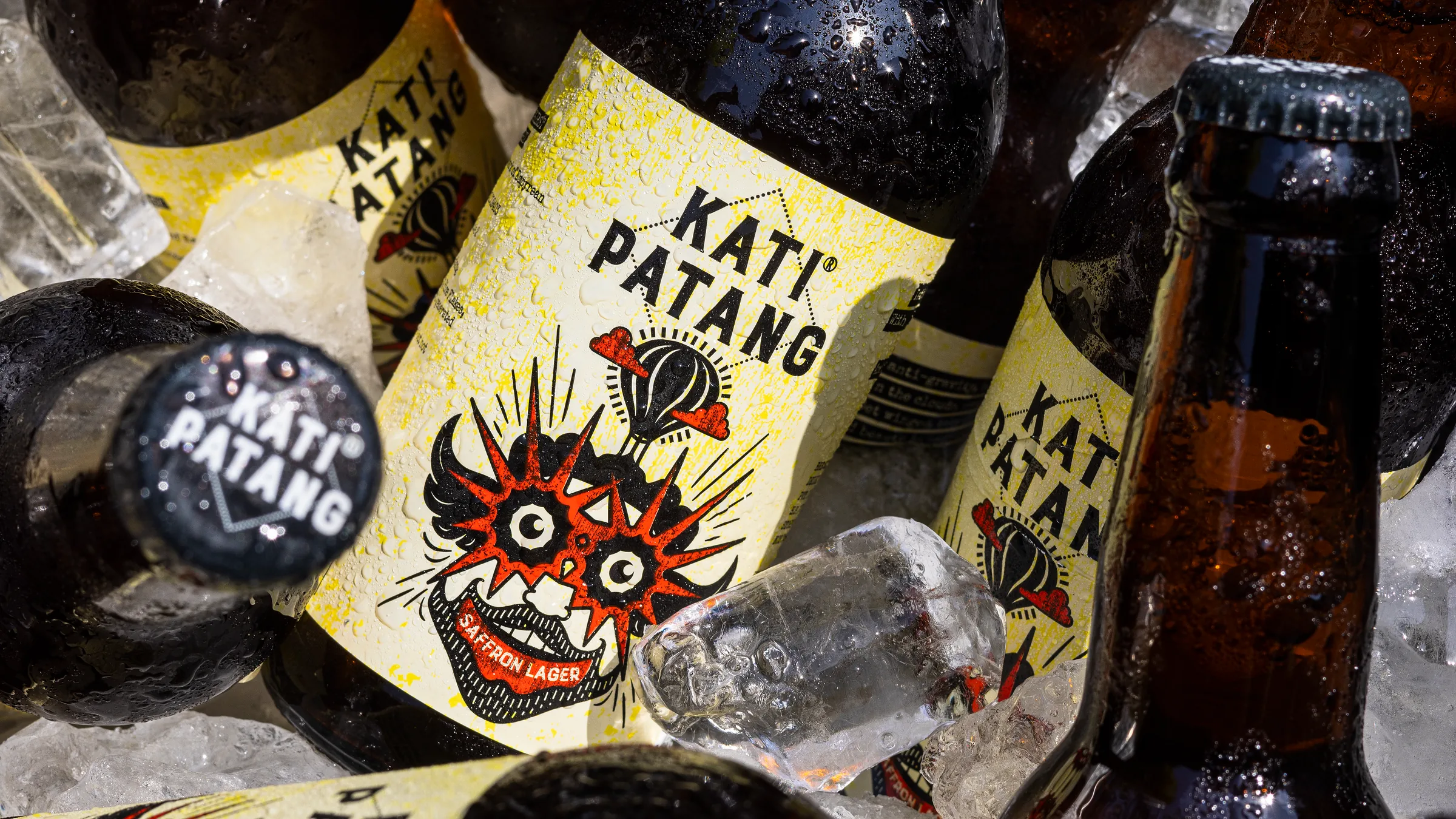
Saffron Lager starts with the clean, crisp character of a lager and brings in premium saffron from Pampore in Kashmir. The result is subtle rather than overpowering, with delicate floral notes that give a familiar style a distinctly Indian character.
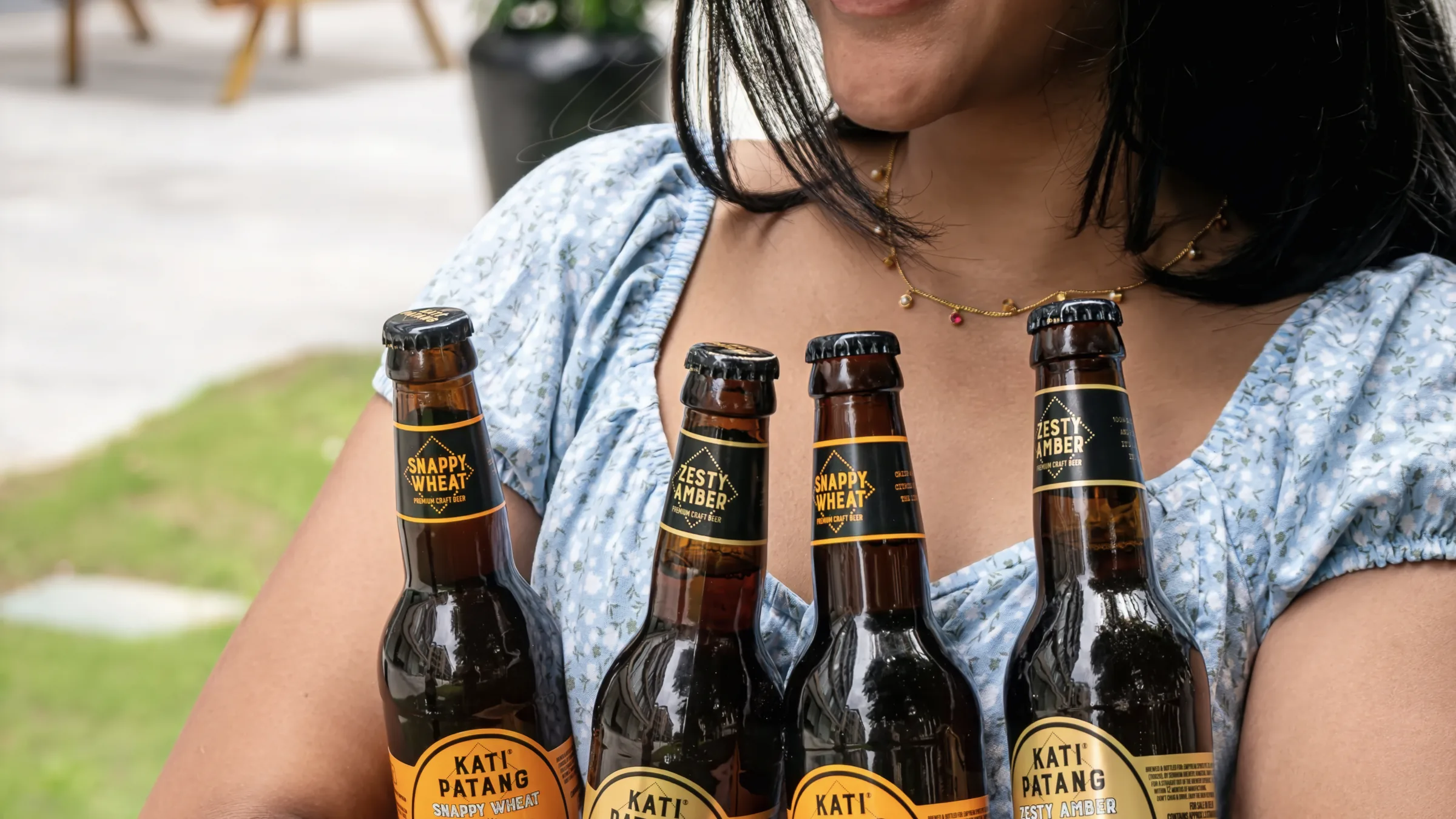
Snappy Wheat takes the refreshing foundation of a wheat beer and adds turmeric, peppercorn, coriander seeds and bright citrus. It's familiar enough to recognise, but there's something unexpected waiting in the glass.
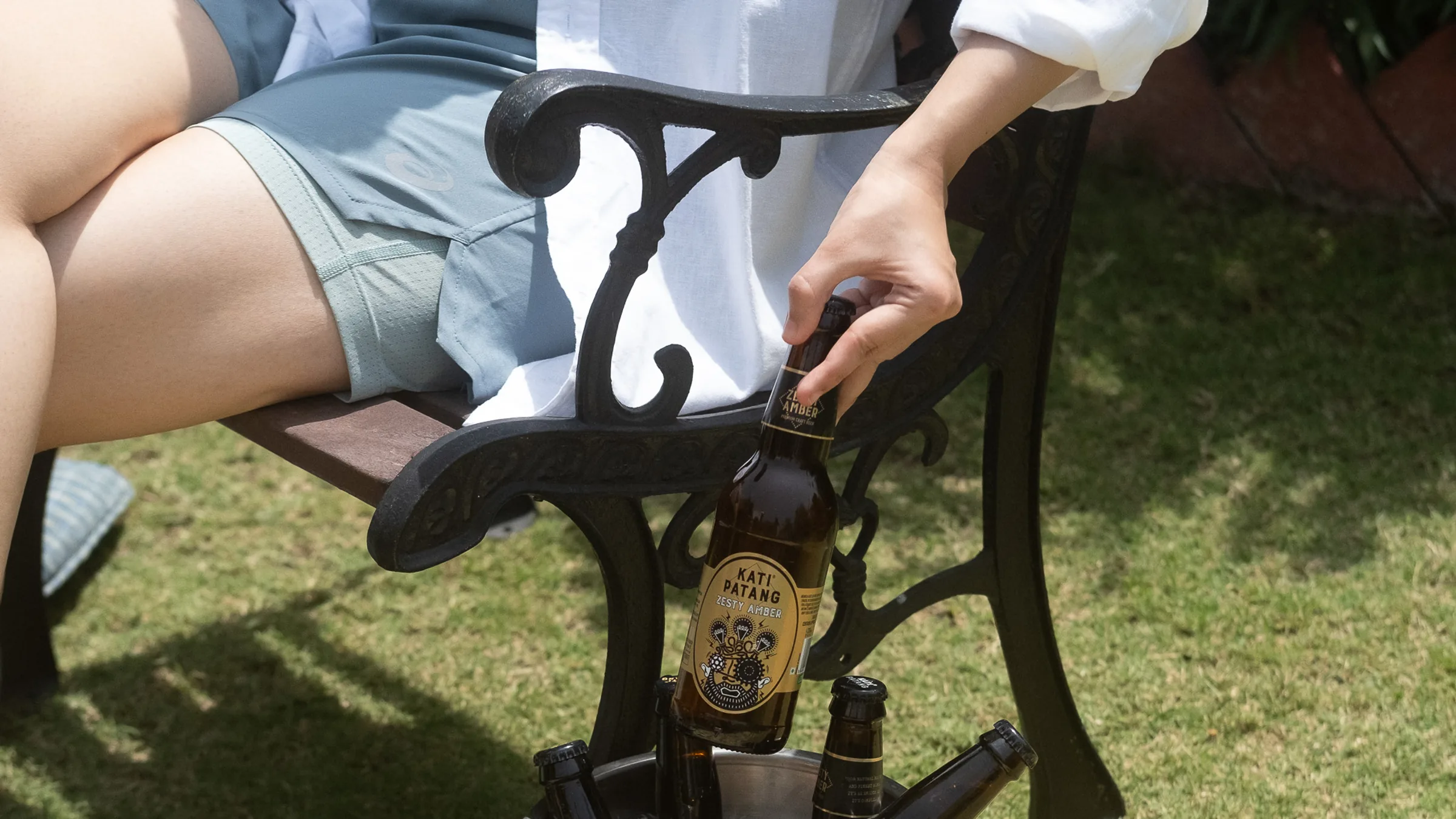
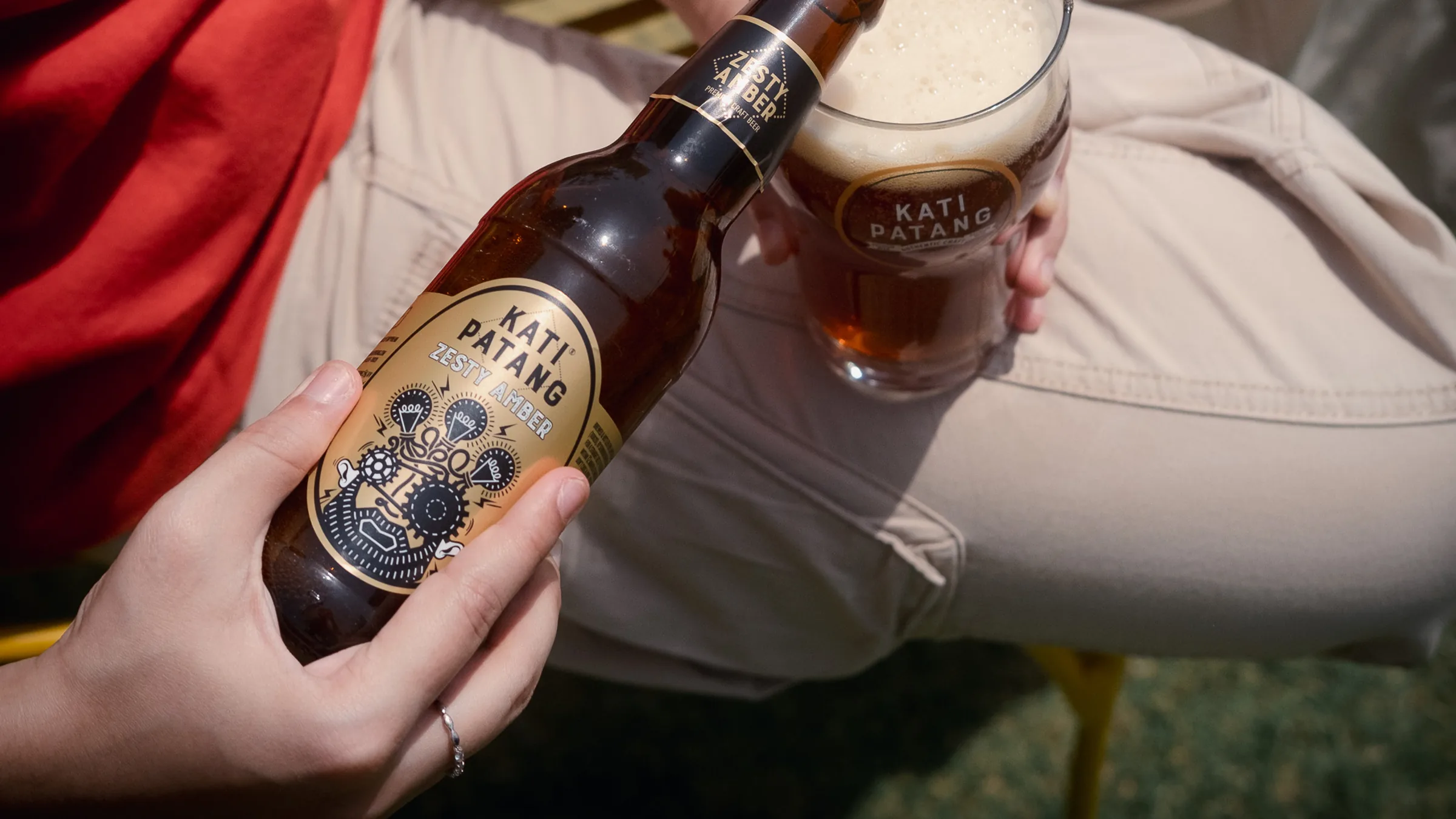
Zesty Amber, India's only bottled amber ale, leans into the richer side of the malt spectrum. Roasted malts bring out notes of caramel, toasted biscuit and dark chocolate, balanced by a smooth finish.
And then there's Bareilly Extra Bold, for those who prefer their beer with a little more weight and intensity. It's fuller-bodied, malt-forward and built around a bolder drinking experience.
None of these beers exist in isolation. They're part of a much bigger conversation about what Indian beer can look and taste like.
So, How Many Types of Beer Are There?
More than anyone can reasonably count over a lifetime.
There are the major families, the classic styles, regional traditions, modern interpretations and experimental beers that refuse to fit into a box. And once you start looking beyond the basic lager-versus-ale divide, beer becomes less about choosing between a few options and more about discovering what you actually like.
Maybe that's a crisp pilsner. Maybe it's a cloudy wheat beer. Maybe it's an aggressively hopped IPA. Or maybe, somewhere along the way, you discover that you really like a beer brewed with saffron, turmeric or peppercorn.
There's no correct way to explore beer.
Start with a style that sounds interesting. Try something completely different next time. Pay attention to what you taste. And don't worry too much about knowing all the terminology.
After all, beer has been around for thousands of years.
We've got time.